

7 Top Tips to Enhance Your Lisbon Cooking Classes Experience
- lisbonbyboat
- Nov 14, 2025
- 8 min read
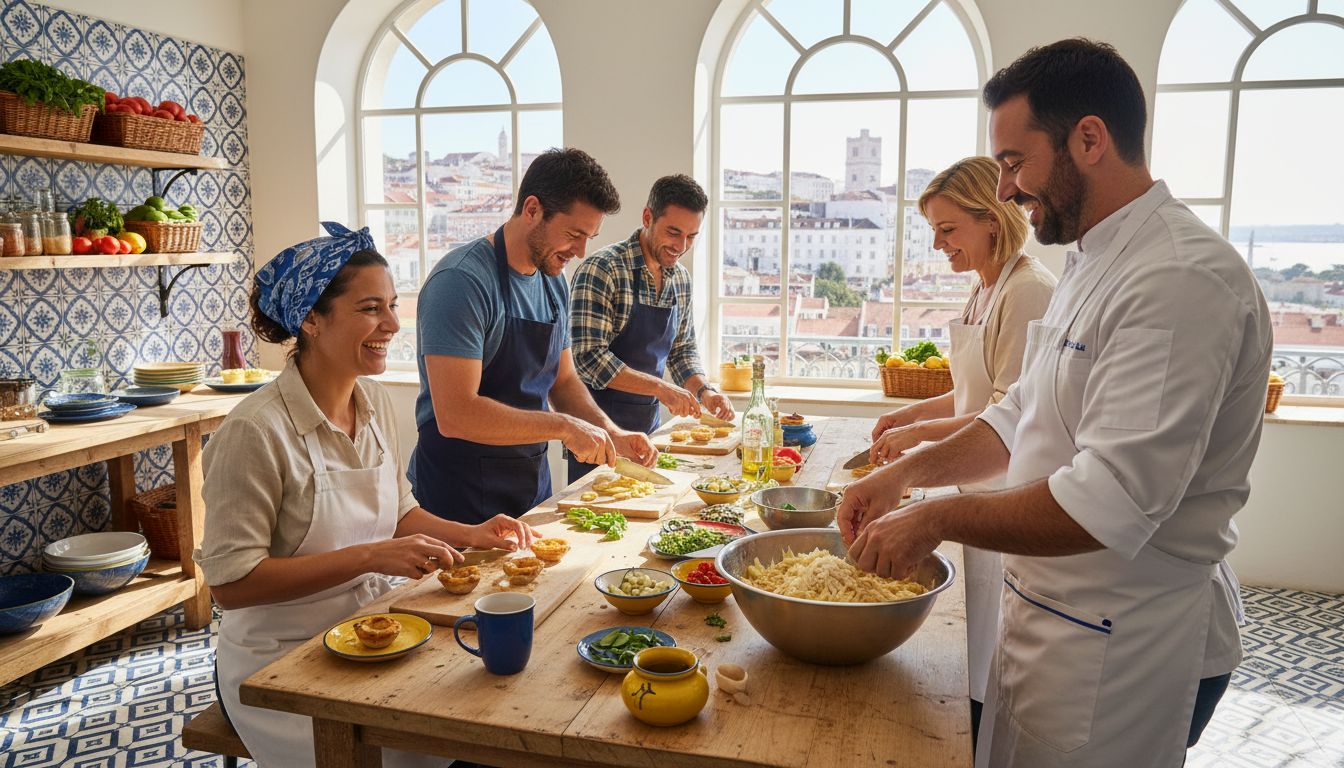
More than 80 percent of travelers say unique local activities are what make a trip truly memorable. Cooking classes in Lisbon do more than teach recipes they open the door to the city’s heritage and bring people together over shared experiences. Whether you are after authentic flavors, team building moments, or lasting memories, exploring Lisbon’s kitchens lets you taste tradition and learn new skills in a vibrant and delicious way.
Table of Contents
Quick Summary
Takeaway | Explanation |
1. Choose classes that match group skills | Evaluate individual cooking abilities and preferences to enhance team engagement and enjoyment. |
2. Understand key Lisbon ingredients | Familiarity with local ingredients enriches the cooking experience and deepens culinary appreciation. |
3. Master traditional cooking techniques | Learning authentic Portuguese methods connects participants with cultural heritage beyond recipes. |
4. Interact with local chefs | Engaging with chefs promotes a deeper understanding of Portuguese culinary traditions and techniques. |
5. Pair cooking with local wine | Combining food with regional wines offers a holistic culinary experience that highlights flavor interactions. |
1. Choose the Right Cooking Class for Your Group
Selecting the perfect cooking class can transform a simple culinary experience into an unforgettable team adventure. Your group’s success hinges on finding a class that matches everyone’s skill levels, interests, and learning objectives.
When evaluating potential cooking classes, consider the group’s collective personality and culinary aspirations. According to Chef Passport, understanding your team’s dynamics is crucial for creating an engaging and inclusive experience.
Key Factors to Assess:
Individual cooking skill levels
Group learning objectives
Dietary restrictions or preferences
Team’s energy and interaction style
Look for programs that offer structured curricula designed for diverse groups. The Culinary Arts Programme recommends selecting classes with clear course content and objectives that align with your team’s goals.
Practical tip: Before booking, discuss potential classes with your team members. Gather input on cuisine preferences, skill comfort zones, and learning expectations. This collaborative approach ensures everyone feels excited and invested in the cooking class experience.
Remember that the best cooking classes create more than just meals they build team connections and lasting memories through shared culinary exploration.
2. Understand the Ingredients Used in Lisbon Cuisine
Unveiling the culinary secrets of Lisbon starts with understanding its rich and diverse ingredients. Each dish tells a story of tradition, regional influences, and generations of gastronomic expertise.
Essential Lisbon Ingredients:
Salted cod (bacalhau)
Fresh seafood
Local olive oils
Regional vegetables
Smoked sausages
Traditional Portuguese cuisine offers fascinating insights into local food culture. According to Wikipedia, dishes like Cozido à portuguesa represent a complex blend of meats, vegetables, and smoked sausages that showcase the depth of Lisbon’s culinary heritage.
Take Bacalhau à Brás as a prime example. Wikipedia highlights this classic dish featuring salted cod, onions, and fried potatoes a perfect representation of how Lisbon transforms simple ingredients into extraordinary meals.
For an immersive experience, learn about Portuguese food traditions that will enhance your cooking class understanding. By appreciating the ingredients and their cultural significance, you will transform from a mere participant to a true culinary explorer.
3. Learn Traditional Portuguese Cooking Techniques
Mastering traditional Portuguese cooking techniques transforms your culinary experience from mere recipe following to authentic cultural immersion. These time honored methods reveal the soul of Lisbon’s gastronomic heritage.
Key Portuguese Cooking Techniques:
Seafood preparation methods
Traditional cooking vessel usage
Vegetable battering techniques
Slow cooking approaches
Regional flavor infusion
The cataplana represents a remarkable example of Portuguese culinary innovation. According to Wikipedia, this unique cooking vessel is specifically designed for preparing exceptional seafood dishes, embodying the region’s deep connection to maritime ingredients.
Another fascinating technique involves Peixinhos da horta, a traditional method of battering and frying vegetables. Interestingly, Wikipedia notes this technique was so remarkable that it actually influenced the development of Japanese tempura a testament to Portuguese culinary creativity.
For those eager to dive deeper into Lisbon’s culinary world, check out our guide on must try dishes that will complement your newfound cooking techniques. Understanding these methods means more than learning recipes you will be connecting with generations of Portuguese cooking traditions.
4. Engage with Local Chefs for Authentic Insights
Interacting directly with local chefs transforms a simple cooking class into an immersive cultural experience. These culinary experts are walking encyclopedias of Portuguese gastronomic traditions waiting to share their knowledge.
Ways to Maximize Chef Interactions:
Ask about family recipe histories
Request technique demonstrations
Inquire about ingredient sourcing
Learn regional cooking variations
Understand cultural meal significance
According to Hands On, hands-on cooking classes in Lisbon offer participants extraordinary opportunities to learn traditional Portuguese recipes directly from local culinary professionals. These experiences go far beyond basic instruction they provide genuine cultural connections.
The workshops emphasize fresh local ingredients and seasonal cooking techniques. As Hands On highlights, local chefs focus on teaching traditional Portuguese meals using ingredients that reflect the region’s authentic culinary landscape.
During your cooking class, approach chefs with curiosity and respect. Prepare thoughtful questions that show genuine interest in their craft. Check out our guide on must try dishes to help spark meaningful conversations and deepen your understanding of Portuguese cuisine.
5. Pair Cooking Sessions with Local Wine or Tastings
Transforming a cooking class into a full sensory experience means exploring the intricate relationship between Portuguese cuisine and its exceptional wines. Pairing meals with regional wines elevates your culinary journey from simple cooking to a profound cultural exploration.
Wine and Food Pairing Strategies:
Match regional dishes with local wines
Understand flavor complementation
Learn wine tasting techniques
Explore indigenous grape varieties
Appreciate wine serving temperatures
According to Hands On, certain cooking classes integrate meal preparation with local wine tastings. This approach provides participants a comprehensive understanding of how Portuguese cuisine and wine interact harmoniously.
The workshop experience goes beyond simple instruction. As Hands On highlights, these sessions offer a holistic gastronomic journey that connects cooking techniques with wine appreciation. You will learn not just how to prepare dishes but also how to select perfect wine companions.
For additional insights into making the most of your wine experience, explore our essential Lisbon wine tour tips. Remember that understanding wine is an art form that complements your newfound cooking skills.
6. Combine Cooking Classes with a Nautical Tour
Lisbon offers a unique opportunity to blend culinary exploration with maritime adventures. Imagine learning traditional Portuguese recipes while surrounded by the city’s stunning coastal landscapes transforming your cooking experience into an unforgettable journey.
Nautical and Culinary Fusion Strategies:
Schedule tours before or after cooking classes
Select waterfront cooking locations
Learn seafood preparation techniques
Explore maritime culinary history
Connect local ingredients with ocean traditions
According to Hands On, many Lisbon cooking workshops are strategically located near maritime attractions. This proximity allows participants to seamlessly integrate culinary lessons with nautical experiences.
The workshops situated in Lisbon provide extraordinary opportunities to explore the city’s rich maritime heritage. As Hands On highlights, these experiences enable participants to connect food preparation with the region’s nautical traditions.
For those seeking the ultimate Lisbon maritime experience, explore our luxury nautical travel guide to complement your culinary adventure. Your journey will transform from a simple cooking class into a comprehensive exploration of Portuguese culture.
7. Apply New Skills to Create Memorable Group Events
Your Lisbon cooking class experience extends far beyond the kitchen transforming into a powerful tool for creating unforgettable group experiences. The culinary skills you acquire become a catalyst for connection and shared memories.
Group Event Creation Strategies:
Host themed dinner parties
Organize team cooking competitions
Plan collaborative meal preparation
Create cultural exchange events
Design interactive culinary workshops
According to Chef Passport, cooking classes can significantly enhance team building efforts. The skills learned become more than techniques they are bridges that connect people through shared experiences.
Hands On emphasizes that traditional Portuguese cooking classes encourage participants to apply their newfound skills in group settings. This approach transforms learning into a collaborative and engaging journey that goes well beyond simple recipe preparation.
For corporate teams or social groups looking to create meaningful interactions, cooking becomes a powerful medium of communication. Check out our must try dishes guide to spark ideas for your next memorable group culinary adventure. Your kitchen skills are now your secret weapon for creating extraordinary shared experiences.
Below is a comprehensive table summarizing the key points and strategies discussed throughout the article.
Topic | Description | Key Considerations |
Choosing Cooking Classes | Select classes matching group skill levels, interests, and learning goals for a successful experience. | Understand group dynamics and gather input from participants. |
Lisbon Ingredients | Essential ingredients include salted cod, fresh seafood, and regional vegetables. | Appreciate the cultural significance and story behind each dish. |
Portuguese Cooking Techniques | Techniques include seafood preparation, traditional vessel usage, and slow cooking. | Connect with Portuguese cultural heritage through method learning. |
Engaging with Local Chefs | Direct interaction offers cultural insights and learning opportunities. | Prepare questions and show genuine interest in chefs’ expertise. |
Wine Pairing | Integrates cooking with local wine exploration for a holistic experience. | Understand wine selection and tasting to complement dishes. |
Nautical Tours | Blend culinary experiences with maritime adventures in Lisbon. | Explore connections between culinary and nautical traditions. |
Group Events | Apply culinary skills to create memorable group interactions and events. | Use skills for themed parties, competitions, and cultural exchanges. |
Elevate Your Lisbon Cooking Class with a Unique Nautical Experience
Cooking classes bring teams and friends closer through shared flavors and cultural stories but pairing this with a breathtaking journey along Lisbon’s historic coastline adds an unforgettable dimension. The article highlights challenges such as choosing the right cooking class and deepening cultural immersion through local chefs and traditional techniques. Enhance these moments by combining them with our daily sailing tours where scenic maritime views and insightful commentary create a rich backdrop for your culinary adventure.
Discover how the best cooking sessions are enriched by the ocean breeze and dazzling city horizons. Book a private sailing yacht or catamaran cruise with Lisbon By Boat to make your cooking class experience truly exceptional today. Don’t just learn to cook Portuguese recipes—live the full cultural journey by sea and flavor. Explore options on our main site and embrace Lisbon’s cuisine and coast in harmony.
Frequently Asked Questions
How can I choose the right cooking class for my group in Lisbon?
Selecting the right cooking class involves assessing your group’s skill levels, dietary preferences, and learning goals. Discuss these aspects with your team to find a class that excites everyone and guarantees a memorable experience.
What essential ingredients should I know about when preparing Lisbon cuisine?
Understanding key ingredients like salted cod, fresh seafood, local olive oils, and regional vegetables will enhance your cooking experience. Familiarize yourself with these components before your class to appreciate how they contribute to traditional dishes.
What traditional cooking techniques should I learn in a Lisbon cooking class?
Focus on techniques like seafood preparation, slow cooking, and using local cooking vessels. Practicing these methods during your class will help you understand the authenticity behind traditional Portuguese meals.
How can I engage with local chefs during my cooking class?
Maximize your interactions by asking local chefs about their family recipes, cooking techniques, and ingredient sourcing. Prepare thoughtful questions to deepen your cultural understanding and create a meaningful connection during the class.
What wine pairing strategies should I consider for my culinary experience?
Learn to match local wines with regional dishes to elevate your meals. Understanding how flavors complement each other will enhance your overall culinary experience and deepen your appreciation for Lisbon’s wine culture.
How can I apply my new cooking skills for group events?
Leverage your cooking skills to host themed dinner parties or collaborative meal preparations. Organizing group activities around cooking not only reinforces what you’ve learned but also creates memorable experiences for everyone involved.
Recommended
Comments