

Benefits of Private Sailing Events for Corporate Planners
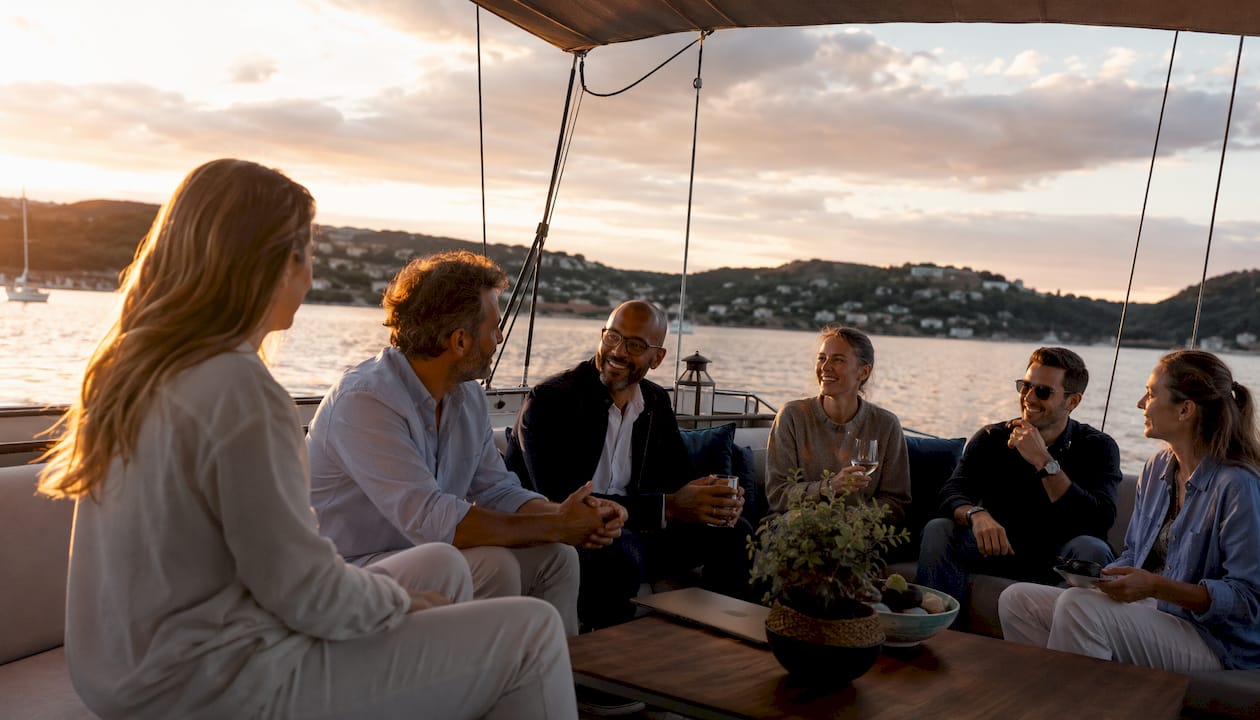
Private sailing events deliver exclusivity, itinerary flexibility, high memorability, and a controlled networking environment that most land venues simply cannot match. For event planners evaluating options, the core case is straightforward: when your goal is guest presence, brand differentiation, or relationship depth, a private charter outperforms a hotel ballroom on nearly every experiential metric.
The top six planner-focused benefits at a glance:
Exclusivity and privacy: Your group owns the vessel. No competing events, no strangers at adjacent tables.
Itinerary flexibility: You control start time, route, pace, and spontaneous pivots — including timed sunset views or secluded anchorages.
Built-in scenic backdrop: Coastal skylines, open water, and natural light do the production work for you.
Improved guest engagement: Changing scenery and reduced land-based distractions drive guest presence more reliably than static décor.
Brand staging potential: The vessel itself becomes a branded environment — crew narrative, nautical aesthetics, and custom menus all reinforce messaging.
Controlled audio environment: A private charter eliminates venue-wide noise bleed, improving presentation clarity and protecting confidential executive conversations.
Planner verdict: Choose a private sailing event when guest experience quality and brand differentiation matter more than raw headcount capacity.
Table of Contents
Which types of events work best on a private sailing charter?
What are the real benefits of private sailing events for planners?
Logistics, costs, and booking timelines planners need to know
Safety, permits, and regulatory checks every planner must confirm
What does research say about emotional impact and brand staging on yachts?
Lisbonbyboat: a working example of private sailing events done right
Which types of events work best on a private sailing charter?
The vessel type is as important as the event type. Matching the two correctly is where most planners either win or waste budget.
Client hospitality and executive dinners suit a small luxury sailing yacht (10–12 guests). The intimate scale forces conversation, and the exclusivity signals investment in the relationship without requiring a word of explanation.
Product launches and brand activations work well on a mid-size motor yacht or catamaran with a flat deck and AV-ready power supply. The vessel becomes the stage; the harbor backdrop becomes the visual asset.
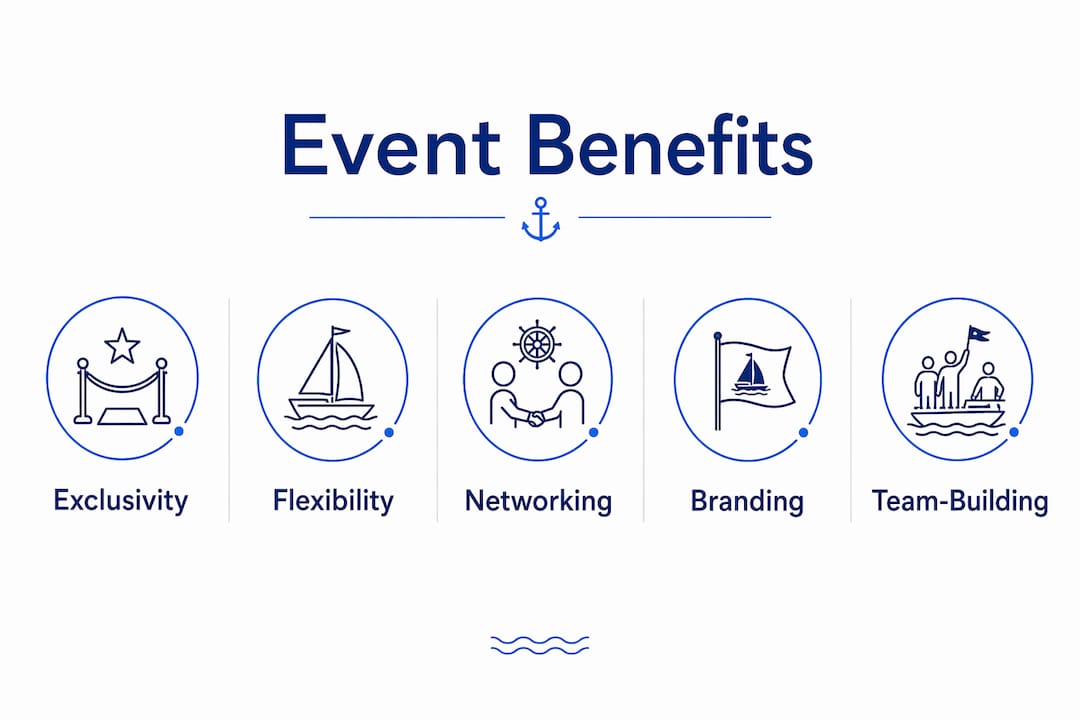
Team-building regattas call for a sailing catamaran or a pair of matched sailboats. Dividing a group of 20–40 across competing vessels creates natural team dynamics, shared stakes, and a debrief story that outlasts any ropes course.
Networking receptions scale up to superyachts, which can host a range of guests depending on commercial licensing and port rules. The open deck layout encourages circulation in a way that a seated ballroom never does.
Executive retreats and off-sites benefit from a static docked charter when the agenda is content-heavy. Docked vessels offer stability for presentations while still delivering the psychological separation from the office that drives candid conversation.
Milestone celebrations (anniversaries, award dinners, incentive trips) map to whatever vessel fits the guest count, with the priority on catering quality and scenic routing over technical sailing performance.
What are the real benefits of private sailing events for planners?
Exclusivity and privacy
Private yacht charters reduce distractions from other guests and provide tailored itineraries that a resort or hotel simply cannot replicate. For client hospitality, that privacy signals respect. For confidential executive sessions, it is a practical requirement.
Flexibility and itinerary control
No other venue type lets you reroute mid-event. If the wind shifts and a better anchorage opens up, you take it. If a guest engagement moment is running long, you extend the cruise. That flexibility in itinerary and pacing is structural, not a courtesy — it is built into the charter model.
Memorable scenery and photo opportunities
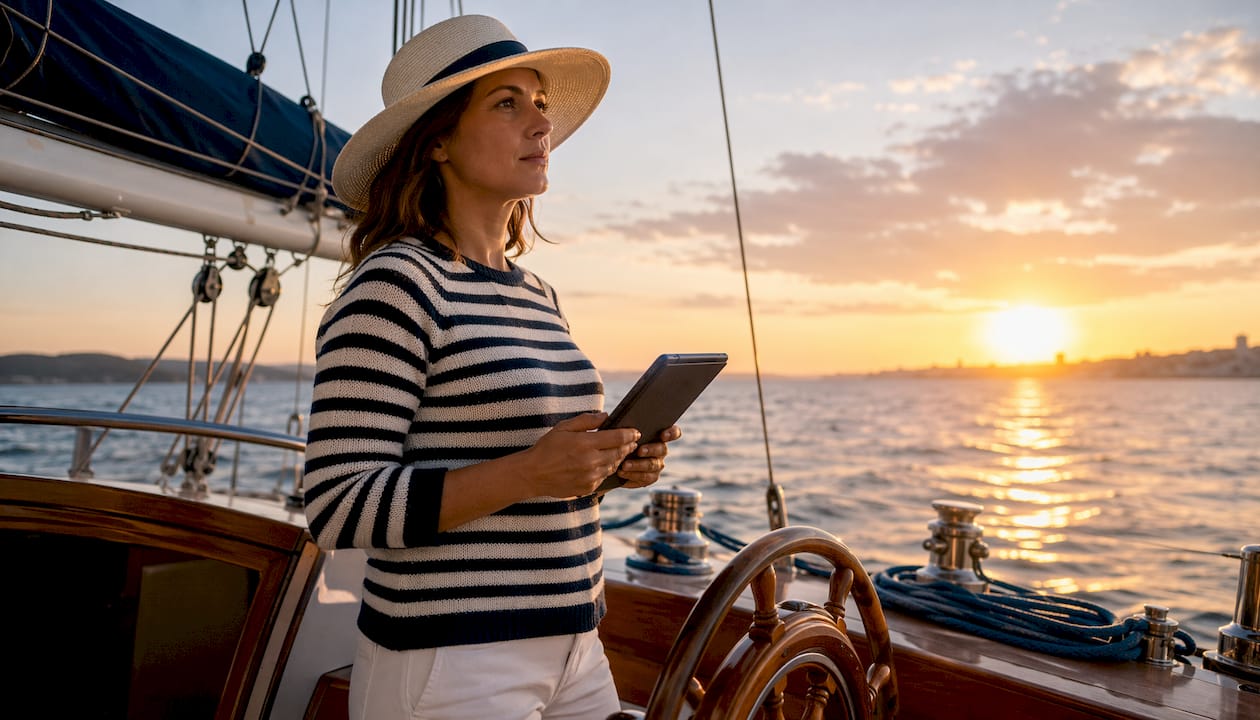
Coastal skylines, golden-hour light, and open water are production values that cost nothing extra once you are on the water. For a product launch, the visual contrast between your brand and a harbor backdrop is immediate and shareable. For a team retreat, the photos become internal culture artifacts.
Focused networking and acoustic control
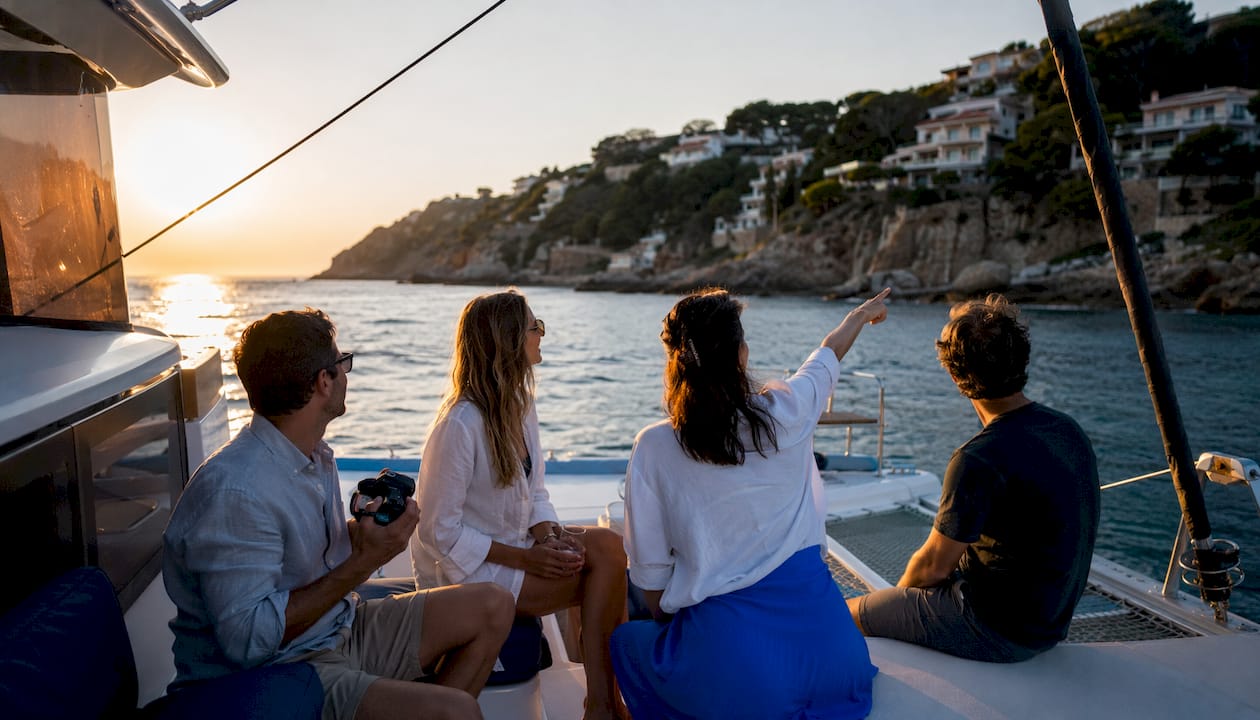
A private charter gives you full control of the audio environment, which matters more than most planners anticipate. Hotel ballrooms bleed sound between events; yacht decks do not. For a panel discussion or a confidential client briefing, that isolation is worth budgeting for specifically.
Brand staging and sensory detail
Charter specialists advise treating the yacht as a brand stage: integrate nautical aesthetics, crew-hosted narratives, and tailored menus to make the event feel proprietary to your brand. A signature cocktail named after a product launch, crew uniforms in brand colors, and a custom menu card are low-cost details that land with guests.
Experiential team-building
The shared novelty of being at sea — managing unfamiliar footing, watching the crew work, navigating together — creates a bonding context that a conference room cannot manufacture. For group dynamics on sailing tours, the physical environment does much of the facilitation work.
Pro Tip: Ask the captain to time any cruising maneuvers — tacking, anchoring, adjusting sail trim — to occur before or after speeches, not during. Experienced skippers can physically maneuver to stabilize the deck for presentations, but this crew skill is rarely itemized in quotes. Request it explicitly in your brief.
Logistics, costs, and booking timelines planners need to know
Primary cost drivers
Vessel size and class (entry-level private yacht vs. luxury yacht vs. superyacht)
Crew level and ratio (captain only vs. full service crew)
Catering style (drop-off boxes vs. onboard chef)
AV package (basic Bluetooth vs. full PA system with generator)
Docked vs. cruising (fuel and port fees add to cruising charters)
Permits (commercial charter endorsements, alcohol service, fireworks)
Peak-season pricing: busy event windows such as trade-show weeks and regattas raise prices and reduce vessel availability significantly
Booking lead times
Small private charters can often be confirmed with several weeks’ notice in shoulder season; mid-size corporate events generally require a couple of months’ lead time. Superyacht static events in peak season require booking well in advance, especially in major port cities where demand spikes around industry conferences.
Planner milestone checklist
RFI stage: Confirm maximum guest count, vessel certifications, and catering policies
Contract stage: Finalize cancellation policy, deposit schedule, and insurance certificates
6 weeks out: Lock menu, confirm AV power availability and generator specs
2 weeks out: Conduct AV run-through with crew; distribute guest briefing notes
Day of: Safety briefing before boarding; confirm crew-to-guest ratio
Vessel capacity reference
Vessel category | Typical guest capacity | Best for |
Entry-level private sailboat | 6–12 guests | Intimate dinners, small client hospitality |
Luxury sailing yacht | 10–12 guests | Executive retreats, product previews |
Catamaran (mid-size) | 10–12 guests | Team-building, networking receptions |
Superyacht (commercial) | 30–100 guests | Large receptions, brand activations |
Capacity figures reflect commercial licensing norms; actual limits depend on USCG certification and port rules for each vessel.
Capacity figures reflect commercial licensing norms; actual limits depend on USCG certification and port rules for each vessel.
What add-ons and customizations should you prioritize?
The right add-ons depend entirely on your event objective. Brand impression events and team engagement events pull in opposite directions, so prioritize accordingly.
Common add-ons and what they require:
Custom menus and onboard chef: Requires advance coordination with the charter’s catering partner or an approved outside vendor. Confirm galley capacity and refrigeration early — most yacht galleys are compact.
Branded signage and décor: Low permit friction, but requires crew coordination for installation. Budget 90 minutes of setup time before guests board.
AV packages (PA, screens, lighting): Confirm generator capacity in the contract. Shore power is available at dock; cruising events need a vessel-mounted generator. This is the most common logistics gap planners miss.
Water activities (kayaks, paddleboards, snorkeling): Requires additional liability coverage and crew trained in water safety. Add 30–45 minutes to your event timeline per activity.
Onboard entertainment (live music, DJ): Sound permits may apply in certain harbors. Confirm with the charter operator before booking.
VIP transport (tender, water taxi, helicopter transfer): Adds significant cost and requires separate coordination. Reserve for top-tier client hospitality where the arrival moment is part of the brand story.
For a themed sailing event, the most cost-effective customizations are crew narrative, custom menus, and branded printed materials. These three alone shift the guest perception from “boat rental” to “curated brand experience” without touching permits or heavy logistics.
Safety, permits, and regulatory checks every planner must confirm
Before signing any charter contract in the United States, request the following documents in writing:
USCG Certificate of Inspection (COI): Required for any vessel carrying passengers for hire on US navigable waters. Confirms the vessel’s approved route, maximum passenger count, and safety equipment standards.
Captain’s USCG license: The operator must hold a valid Merchant Mariner Credential (MMC) with the appropriate tonnage and route endorsement.
Commercial charter endorsement: Separate from the captain’s license; confirms the vessel is legally authorized for paid passenger operations.
Insurance certificates: Request a copy of the charter operator’s commercial marine liability policy. Confirm your organization can be named as an additional insured.
Recent inspection records: Ask for the last USCG inspection date and any open deficiencies.
Accessibility considerations: Confirm gangway width and boarding step height for guests with mobility limitations. Most charter vessels are not ADA-compliant by design; a portable boarding ramp and pre-assigned seating near the companionway can address most needs. Discuss medical contingency planning with the captain — specifically, the nearest emergency landing point along the planned route.
Pro Tip: Send guests a one-page pre-event brief 48 hours before boarding. Include what to wear (non-marking soft-soled shoes, layers), what to bring (motion sickness medication if prone, sunscreen), and what to expect (boarding procedure, safety briefing duration). Pre-boarding briefings materially reduce seasickness incidents and boarding delays, both of which compress your event timeline.
Your copy-ready planner checklist for charter RFIs
Use this list verbatim in your initial outreach to charter operators.
What is the vessel’s maximum passenger capacity under its current USCG Certificate of Inspection?
Can you provide a copy of the captain’s Merchant Mariner Credential and the vessel’s commercial endorsement?
What is your cancellation and rebooking policy, and what is the deposit schedule?
What catering options are available, and can we bring an outside caterer or beverage vendor?
What is the onboard AV power capacity, and do you have a generator for cruising events?
What is your crew-to-guest ratio for an event of our size?
What is your emergency response plan, and can you provide a recent USCG inspection certificate?
Are there permit requirements for our planned activities (alcohol service, amplified music, water activities)?
What is your policy on branded décor and signage installation?
What is the latest boarding time, and how long does the pre-departure safety briefing take?
Decision rule: When choosing between vessel options at similar price points, prioritize crew experience over vessel age. A seasoned captain who has run corporate events manages timing, guest comfort, and contingencies in ways that a newer operator on a newer boat cannot. Ask specifically how many corporate or private events the captain has run in the past 12 months.
What does research say about emotional impact and brand staging on yachts?
Event professionals consistently point to one finding: the chief appeal of private sailing is the emotional connection formed by changing scenery and reduced land-based distractions. Guests become more present, more socially engaged, and more receptive to brand messaging than they are in conventional static venues. The sense of space and seclusion is, as practitioners describe it, “the true luxury” — not the vessel’s price tag.
For brand staging, the practical implications are specific. Nautical aesthetics and tailored services can stage product launches or high-touch client events that feel exclusive and memorable. The most effective activations tend to be sensory and narrative rather than visual alone.
Tactics that work:
Timed scenic moments: Brief the captain to position the vessel at a landmark or anchorage at the exact moment of a key announcement or toast. The backdrop becomes part of the brand memory.
Crew-hosted storytelling: A captain who can narrate the harbor’s history or the vessel’s provenance adds a layer of authenticity that no AV package replicates.
Signature catering tied to brand story: A cocktail named after a product, a menu that references the company’s founding city, or a dessert in brand colors — these details are inexpensive and disproportionately memorable.
Product demo on deck: For a physical product, demonstrating it against an open-water backdrop creates imagery that is inherently shareable and visually distinct from a trade-show booth.
The benefits of yacht cruises for guest engagement extend beyond the event itself: guests who associate a brand with a genuinely memorable experience carry that association forward in ways that a sponsored dinner rarely achieves.
Key Takeaways
Private sailing events are worth proposing when your event goals prioritize guest presence, brand differentiation, and relationship depth over raw headcount capacity.
Point | Details |
Match vessel to event goal | Luxury sailboats suit intimate dinners for small groups; superyachts can handle larger receptions under commercial licensing. |
Book early for peak windows | Trade-show weeks and regatta seasons reduce availability and raise costs; mid-size corporate events need 8–12 weeks minimum lead time. |
Verify USCG credentials first | Request the Certificate of Inspection, captain’s MMC, and commercial endorsement before signing any charter contract. |
Crew experience beats vessel age | A captain with a strong corporate event track record manages timing and contingencies better than a newer operator on a newer boat. |
Lisbonbyboat as a live example | Lisbonbyboat runs private daily cruises on sailing yachts and catamarans in Lisbon, from 2-hour sessions to full-day charters, with crew and catering coordination included. |
What planners actually learn running private sailing events
The most common planning pitfall is not the weather or the catering. It is the AV setup. Time after time, a planner confirms a “sound system” with the charter operator, arrives on the day, and discovers a Bluetooth speaker designed for background music — not a PA system capable of projecting a speaker’s voice across a moving deck to 40 guests. The fix is simple: specify wattage, confirm generator capacity, and do a sound check at the dock before guests board. That single step eliminates the single most common day-of crisis.
Dos and don’ts from the deck:
Do confirm AV power capacity in the contract, not in a verbal conversation
Do send guests a pre-boarding brief covering footwear, seasickness, and boarding logistics
Do brief the captain on your event timeline so maneuvers are timed around speeches and toasts
Do request the USCG inspection certificate before signing, not after
Don’t assume stable footing during speeches on a cruising vessel — anchor or dock for formal presentations
Don’t overload the agenda; two to three programmed moments work better than a packed schedule
Don’t skip the crew-to-guest ratio question — one captain and a deckhand is not sufficient for a 40-person catered event
Lisbonbyboat has run private events on boats across vessel types and group sizes, and the consistent lesson is that operational preparation separates a memorable event from a stressful one.
Lisbonbyboat: a working example of private sailing events done right
If you are building a business case for a private sailing event and want a live operational reference, Lisbonbyboat offers private daily cruises on sailing yachts and catamarans in Lisbon, from 2-hour experiences to full-day charters. The format covers everything this article describes: crew coordination, tailored catering, scenic routing along Lisbon’s historical coastline, and group dynamics expertise for corporate and hospitality groups.
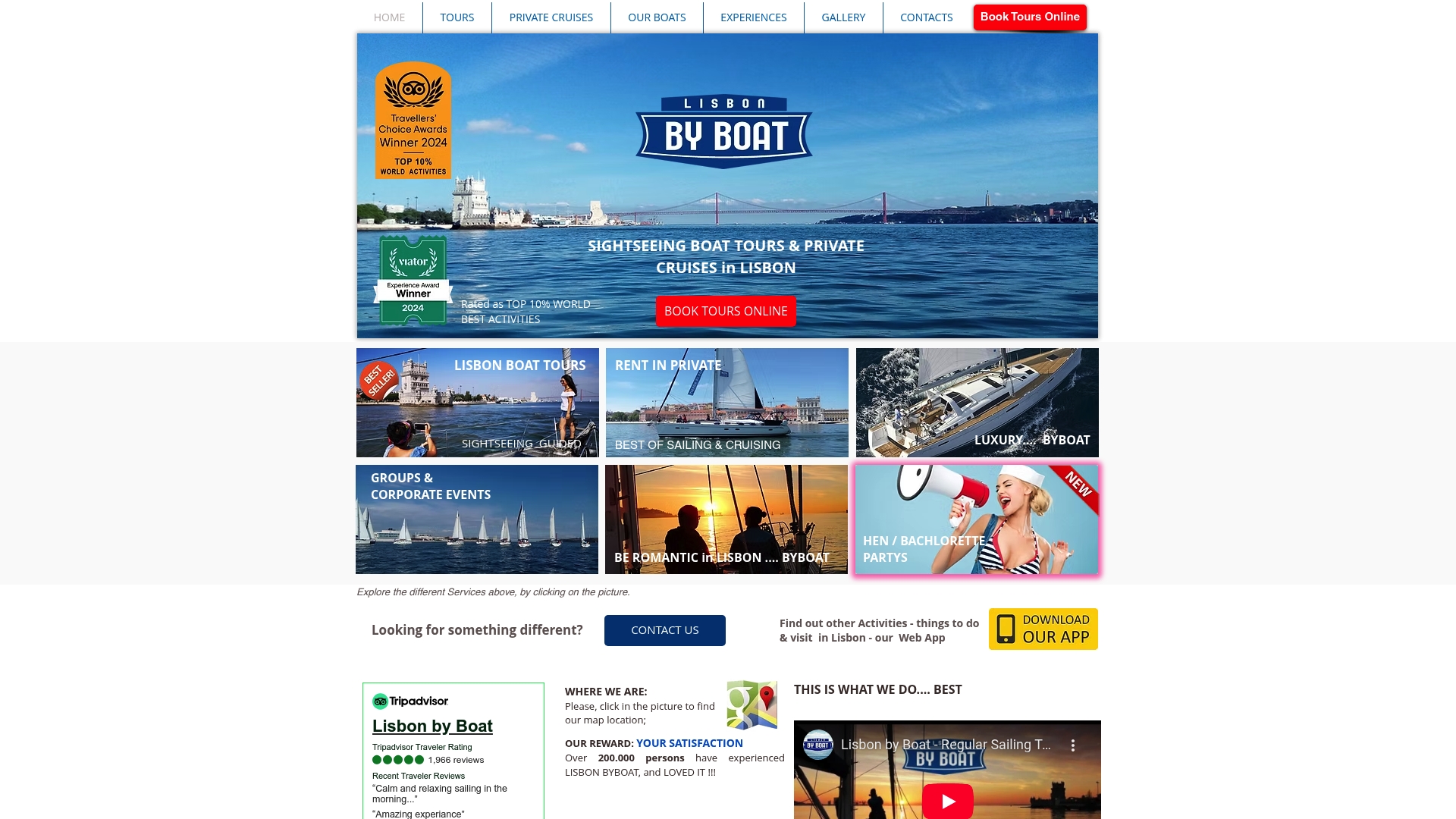
Lisbon’s Tagus River and Atlantic-facing coastline give planners a visually distinctive backdrop that photographs well and routes flexibly. For corporate groups, the combination of a crewed vessel, a curated menu, and a harbor setting with landmarks like the Tower of Belém creates the kind of sensory staging that brand teams spend significant production budgets trying to replicate on land.
To evaluate vessel options, capacities, and availability for your group, visit Lisbonbyboat’s luxury yacht page or browse the full private tour offerings to request a quote for your event dates.
Useful sources for planners
U.S. Coast Guard — Passenger Vessel Safety: Primary source for Certificate of Inspection requirements, captain licensing standards, and commercial charter regulations in US waters.
USCG Marine Safety Information: Inspection records, deficiency tracking, and vessel safety compliance data — useful for verifying a charter operator’s compliance history.
Role of yachts in luxury travel: Mediterranean charters 2026: Industry analysis of itinerary personalization and the marketing impact of branded events on private boats; useful context for branding and customization planning.
Crewed yacht advantage for Mediterranean luxury: Explains how crewed service improves guest experience and operational smoothness — relevant to crew briefing and logistics guidance.
Lisbonbyboat — Private Boat Tours Lisbon: Operational reference for private sailing event execution, vessel options, and crew coordination in a European port context.
Lisbonbyboat — Sailing Tour Group Dynamics: Practical analysis of social dynamics and engagement patterns in closed-group sailing events — useful for team-building and hospitality planning.
This article is general planning information, not legal or regulatory advice. Confirm current USCG requirements, permit obligations, and insurance standards with a qualified maritime attorney or directly with the U.S. Coast Guard for your specific vessel, route, and event type.
Recommended
Comments