

7 Amazing Tips for Dolphin Watching in Lisbon
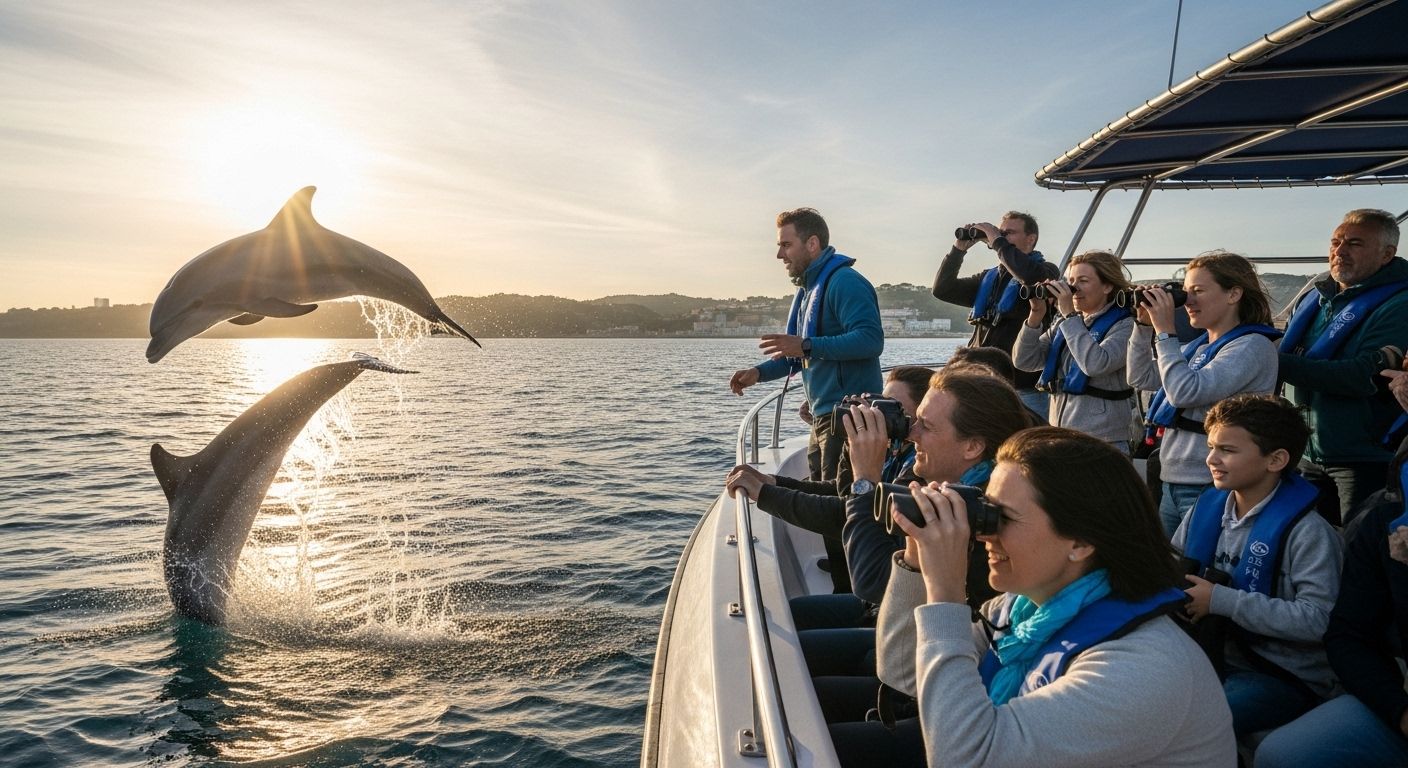
Dolphin watching in Lisbon draws travelers from all over the world and for good reason. These Atlantic waters are home to Delphinus delphis, a species with a presence here for centuries, and catching sight of them feels like a rare privilege. Yet most people do not realize that your chances of a close encounter can rise or fall by over 50 percent just by picking the right time of day—or even the right pair of shoes.
Table of Contents
Quick Summary
Takeaway | Explanation |
Choose the right season for dolphin watching. | Late spring to early autumn offers peak dolphin activity, enhancing wildlife encounters. Morning and late afternoon are optimal times for sightings. |
Select a trusted tour operator. | Professional expertise and a commitment to conservation are essential for a responsible dolphin watching experience. Look for knowledgeable guides and safe practices. |
Understand dolphin behavior and habitats. | Familiarity with dolphin social structures and natural habitats improves observation quality. Knowing their behaviors leads to more meaningful encounters. |
Prepare adequately for your trip. | Pack essentials like sun protection, layered clothing, and binoculars to ensure comfort and maximize dolphin viewing chances. |
Follow ethical guidelines for wildlife observation. | Maintain safe distances, minimize noise, and avoid feeding dolphins to protect marine ecosystems during your adventure. |
1: Choose the Right Season for Dolphin Watching
Lisbon offers remarkable opportunities for dolphin watching, with specific seasonal patterns that dramatically influence your marine wildlife experience. Understanding when dolphins are most active can transform your nautical adventure from a casual outing to an extraordinary wildlife encounter.
The Tagus estuary and surrounding Atlantic waters host diverse dolphin populations throughout the year, but certain months provide superior viewing conditions. According to scientific research on marine ecosystems, the common dolphin species Delphinus delphis has maintained a consistent presence in this region for centuries.
Key seasonal considerations for optimal dolphin watching include:
Late Spring to Early Autumn (May to September): Peak dolphin activity season
Morning Hours (10 am to Noon): Most active feeding and social periods
Afternoon Window (2 pm to Sunset): Secondary peak of dolphin movement
Weather conditions play a crucial role in successful dolphin watching. Calm waters with moderate temperatures increase your chances of multiple sightings. Bright, clear days provide better visibility, allowing you to spot these marine mammals more easily.
Professional marine tour operators like our specialized dolphin watching expeditions can significantly enhance your chances of witnessing these magnificent creatures in their natural habitat. They understand local marine patterns and can navigate to the most promising observation zones.
Remember that patience and quiet observation are key. Dolphins are wild animals with unpredictable behaviors, so maintaining a respectful distance and allowing natural interactions increases your likelihood of meaningful encounters. Bring binoculars, wear comfortable clothing, and prepare for an unforgettable marine wildlife experience in Lisbon’s stunning coastal waters.
2: Select a Trusted Tour Operator
Choosing the right tour operator can make the difference between an average marine experience and an extraordinary dolphin watching adventure in Lisbon. Professional expertise and local knowledge are critical factors in ensuring a memorable and responsible wildlife observation journey.
When evaluating potential tour operators, consider several key criteria that distinguish exceptional marine wildlife experiences. A reputable operator should demonstrate commitment to both passenger safety and marine conservation principles.
Critical factors to assess when selecting a dolphin watching tour operator include:
Marine Expertise: Guides with professional marine biology or wildlife observation backgrounds
Safety Protocols: Well-maintained vessels and comprehensive safety equipment
Conservation Commitment: Adherence to responsible wildlife viewing guidelines
Local Experience: Extensive knowledge of Lisbon’s marine ecosystems
Marine wildlife research suggests that responsible tour operators play a crucial role in both visitor education and marine ecosystem preservation. Professional guides can provide invaluable insights into dolphin behavior, habitat dynamics, and conservation challenges.
Look for operators who prioritize minimal environmental disruption and maintain respectful distances from marine wildlife. Ethical tour companies will have clear guidelines about marine interaction, avoiding practices that might stress or disturb dolphins.
Additionally, our specialized dolphin watching tours offer comprehensive experiences that combine expert guidance, state-of-the-art vessels, and a deep commitment to marine education. We understand that each dolphin watching expedition is an opportunity to connect travelers with the extraordinary marine life of Lisbon’s coastal waters.
Before booking, request detailed information about their typical route, expected marine wildlife encounters, and the qualifications of their marine guides. A transparent, professional approach is always a positive indicator of a high-quality tour operator dedicated to providing authentic and responsible marine experiences.
3: Understand Dolphin Behavior and Habitats
Successful dolphin watching requires more than just luck it demands a nuanced understanding of marine mammal behavior and ecological dynamics. Dolphins are complex, intelligent creatures with sophisticated social structures and communication systems that make each encounter a unique marine experience.
The waters around Lisbon host several dolphin species, each with distinct behavioral patterns and habitat preferences. According to marine wildlife research, these marine mammals exhibit remarkable social intelligence and adaptive strategies for survival.
Key characteristics of dolphin behavior include:
Pod Dynamics: Dolphins travel in complex social groups called pods
Communication Methods: Sophisticated vocalization and echolocation techniques
Hunting Strategies: Collaborative fishing and strategic group hunting
Understanding their natural habitat is crucial for meaningful wildlife observation. The Tagus estuary and surrounding Atlantic waters provide rich ecosystems with abundant food sources that attract diverse marine populations. Depth, water temperature, and marine food chains significantly influence dolphin movement and visibility.
Dolphins demonstrate remarkable adaptability, with behaviors that reflect intricate social bonds and environmental interactions. They communicate through an extensive repertoire of clicks, whistles, and body language, creating complex social networks within their pods.
Our specialized dolphin watching tours offer expert insights into these fascinating marine behaviors. We prioritize educational experiences that help visitors understand and appreciate the nuanced world of these extraordinary marine mammals.
Remember that responsible dolphin watching means maintaining respectful distances, minimizing noise, and allowing these wild animals to interact naturally in their environment. By approaching marine wildlife with curiosity, respect, and knowledge, you transform a simple boat trip into an enlightening ecological encounter.
4: Prepare for Your Dolphin Watching Trip
Proper preparation transforms a standard boat trip into an extraordinary marine wildlife experience. Thoughtful planning ensures you maximize your chances of memorable dolphin encounters while staying comfortable and ready for unexpected maritime conditions.
According to wildlife viewing guidelines, strategic preparation is essential for successful marine observation. Your approach should balance practical readiness with respectful wildlife interaction.
Essential items to pack for your dolphin watching adventure:
Sun Protection: High SPF sunscreen, sunglasses, wide-brimmed hat
Layered Clothing: Lightweight, waterproof jacket, warm layers
Photography Gear: Waterproof camera or telephoto lens
Personal Comfort: Motion sickness medication, water bottle, light snacks
Weather conditions can change rapidly on the water, so flexibility and preparedness are crucial. Lightweight, quick-drying clothing allows you to adapt to shifting maritime environments. Neutral colors that blend with the marine landscape can help minimize visual disruption to wildlife.
Binoculars are an invaluable tool for dolphin watching. Choose marine-grade optics with good magnification and image stabilization to enhance your viewing experience. Professional-grade binoculars can help you spot dolphins at greater distances and observe their behavior more intimately.
Our comprehensive dolphin watching guide offers additional insights into making the most of your marine adventure. We recommend arriving early, listening carefully to your guide’s instructions, and maintaining a quiet, patient demeanor.
Mental preparation is equally important. Approach your trip with realistic expectations understanding that wildlife sightings are never guaranteed. Dolphins are wild animals with unpredictable behaviors, so cultivate a sense of wonder and appreciation for whatever marine experiences unfold during your journey.
5: What to Bring for an Ideal Experience
Dolphin watching requires strategic preparation and thoughtful packing to ensure a comfortable, memorable maritime adventure. The right equipment can dramatically enhance your marine wildlife experience, transforming an ordinary boat trip into an extraordinary exploration of Lisbon’s marine ecosystem.
According to marine wildlife viewing guidelines, responsible observation starts with being properly equipped and prepared.
Essential gear for your dolphin watching expedition:
Optical Equipment: High-quality binoculars with marine-grade lens coating
Protective Gear: Waterproof jacket, non-slip shoes, hat with chin strap
Photography Tools: Camera with zoom lens, extra batteries, waterproof case
Personal Comfort: Refillable water bottle, light snacks, motion sickness medication
Temperature fluctuations on the water can be significant, so layering is crucial. Lightweight, quick-drying materials work best. Neutral colors like blues, grays, and greens help you blend into the marine environment without disturbing wildlife.
Digital devices should be protected with waterproof cases. Consider bringing a small dry bag to safeguard electronics and important personal items from potential water exposure. A compact first aid kit is also recommended for unexpected situations.
Our expert marine tour guides recommend bringing a notebook or digital device to record your observations. Documenting your experience not only creates lasting memories but also contributes to citizen science efforts in marine wildlife research.
Beyond physical items, bring an open mind and patient attitude. Dolphin watching is about connection with nature, not just capturing the perfect photograph. Embrace the unpredictability of marine wildlife interactions and appreciate the rare opportunity to witness these magnificent creatures in their natural habitat.
6: Follow Guidelines for Responsible Watching
Responsible wildlife observation is fundamental to preserving marine ecosystems and ensuring positive interactions between humans and dolphins. Ethical dolphin watching goes beyond simply enjoying the experience it represents a commitment to marine conservation and respect for these intelligent creatures.
According to international marine conservation guidelines, responsible watching requires understanding and implementing specific behavioral protocols.
Critical guidelines for ethical dolphin observation:
Maintain Safe Distance: Never approach dolphins closer than recommended maritime regulations
Minimize Noise: Keep voices low and avoid sudden movements
No Feeding: Never attempt to feed or interact directly with marine wildlife
Respect Natural Behaviors: Observe without disrupting their natural activities
Boat positioning and movement are crucial aspects of responsible watching. Experienced tour operators understand how to approach dolphin pods without causing stress or disruption. This involves maintaining consistent speeds, avoiding rapid directional changes, and allowing dolphins to choose their interaction level.
Photography should be conducted with minimal intrusion. Use zoom lenses instead of attempting to get closer, and avoid using flash photography which can disorient marine mammals. Capturing memories should never compromise the dolphins’ wellbeing or natural habitat.
Our professional marine tours prioritize educational experiences that teach visitors about marine conservation. We believe that understanding leads to respect, and respect leads to protection.
Remember that dolphins are wild animals with complex social structures. Your role as an observer is to appreciate their beauty from a respectful distance, learning about their behaviors and contributing to their conservation through responsible, mindful watching.
7: Capture Perfect Moments While Respecting Nature
Photographing marine wildlife requires a delicate balance between capturing extraordinary moments and maintaining ecological respect. Your approach to documenting dolphin encounters can significantly impact both your personal memories and the marine ecosystem’s well-being.
According to international wildlife photography guidelines, responsible documentation is an art form that prioritizes animal welfare over photographic perfection.
Key strategies for ethical marine wildlife photography:
Use Zoom Lenses: Capture detailed images without physical proximity
Disable Camera Flash: Prevent disorienting marine mammals
Move Slowly: Minimize sudden movements that might startle dolphins
Practice Patience: Wait for natural, uninterrupted behaviors
Professional marine photographers understand that the most compelling images emerge from observation, not intervention. Your goal should be documenting dolphins in their natural state, revealing their inherent beauty and complex social dynamics without disrupting their environment.
Technical considerations are crucial. High-quality telephoto lenses with image stabilization allow you to capture crisp, detailed images from a respectful distance. Wide-angle lenses can also help document the broader marine landscape, providing context to your dolphin encounters.
Our expert marine tour guides recommend practicing camera settings before your expedition. Understanding your equipment means you can react quickly when dolphins appear, maximizing your chances of capturing remarkable moments without compromising their natural behaviors.
Remember that not every moment requires photographic documentation. Sometimes, the most profound experiences occur when you simply observe, allowing yourself to be fully present in the magnificent marine environment surrounding Lisbon’s coastal waters.
Below is a comprehensive table summarizing the most important tips and key steps for an unforgettable dolphin watching experience in Lisbon, as discussed throughout the article.
Tip/Step | Key Details & Benefits |
Choose the Right Season | Late spring to early autumn (May–September) for peak sightings; aim for mornings or late afternoons with calm, clear weather for best viewing. |
Select a Trusted Tour Operator | Opt for operators with marine expertise, strict safety protocols, conservation focus, and local knowledge for a safe, ethical, and educational dolphin watching trip. |
Understand Dolphin Behavior & Habitats | Learn about dolphin social structures, habitats, and behaviors to enhance observation and foster respect for wildlife during your trip. |
Prepare for Your Trip | Pack essentials: high SPF sunscreen, sunglasses, layered and waterproof clothing, binoculars, and motion sickness medication for comfort and readiness. |
Bring the Right Equipment | Use marine-grade binoculars, waterproof gear, non-slip shoes, cameras with zoom lenses, and carry a dry bag and first aid kit for safety and convenience. |
Follow Responsible Watching Guidelines | Maintain safe distances, keep noise down, never feed dolphins, respect natural behaviors, and choose ethical tour approaches to support marine conservation. |
Capture Moments Responsibly | Use zoom lenses, disable flash, move carefully, and be patient for natural behaviors—prioritize animal welfare over photography for the most meaningful experience. |
Your Best Dolphin Watching Experience Starts With Us
You have just discovered the most important tips for unforgettable dolphin watching in Lisbon. Now, do not let uncertainty about timing, trusted guides, or preparation hold you back from creating a truly memorable marine adventure. Many visitors worry about missing peak dolphin activity or choosing the right company for an ethical, comfortable wildlife experience. That is where we come in.
Choose Lisbon by Boat for thrilling dolphin watching tours led by marine experts who know Lisbon’s coastal secrets. Enjoy regular guided sailing tours with safety and comfort as you explore the iconic cityscape by water and get up close to incredible wildlife. Our team ensures you learn, engage, and create lasting memories while respecting dolphin habitats. Book your spot now and let your next adventure begin at Lisbon by Boat—the best way to discover dolphins in Lisbon is with those who understand the sea.
Frequently Asked Questions
When is the best time for dolphin watching in Lisbon?
The best time for dolphin watching in Lisbon is from late spring to early autumn (May to September), with peak activity hours in the morning (10 am to noon) and a secondary peak in the afternoon (2 pm to sunset).
What should I bring on a dolphin watching trip?
Essential items for a dolphin watching trip include high SPF sunscreen, a wide-brimmed hat, layered clothing for temperature fluctuations, binoculars for better viewing, and motion sickness medication if needed.
How can I choose a responsible dolphin watching tour operator?
Look for tour operators with marine expertise, solid safety protocols, a commitment to conservation, and local experience to ensure a responsible and enjoyable dolphin watching experience.
What guidelines should I follow for responsible dolphin watching?
To practice responsible dolphin watching, maintain a safe distance from the dolphins, keep noise levels low, avoid feeding them, and respect their natural behaviors during observations.
Recommended
Comments