

Lisbon Public Art: What It Reveals About the City
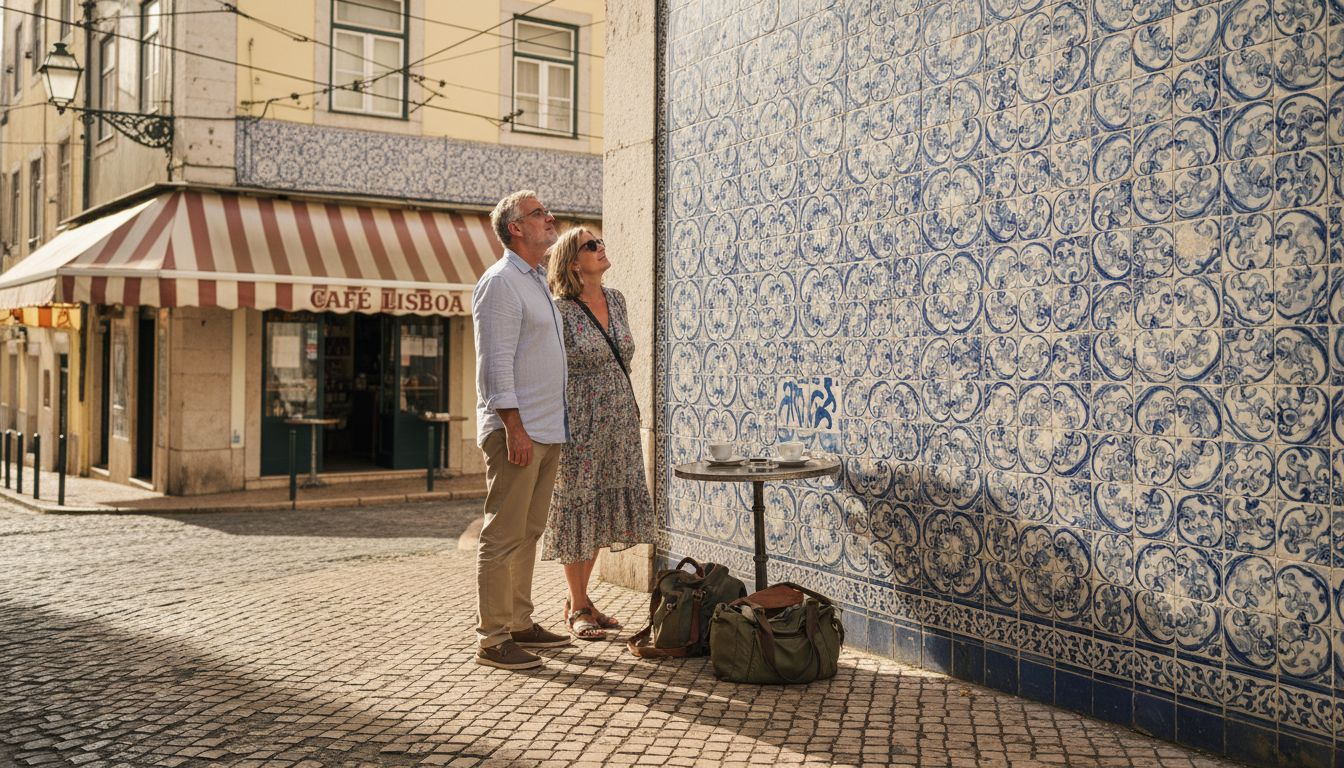
Over half of American travelers name Lisbon’s public art as one of the city’s most unforgettable features. Street murals, centuries-old azulejos, and grand sculptures reshape the urban landscape, making every neighborhood feel like an open museum. These creative masterpieces tell the story of Portugal’s culture and history in ways you can see and touch. Discover how Lisbon’s remarkable blend of tradition and innovation turns every walk into a visual adventure.
Table of Contents
Key Takeaways
Point | Details |
Diverse Public Art Forms | Lisbon features azulejos, street art, and sculptures, each serving as cultural expressions that communicate Portugal’s history and creativity. |
Integration of Art and Space | Public art in Lisbon transforms urban and natural environments into dynamic cultural landscapes, inviting community engagement and reflection. |
Impact of Street Art | Street art in neighborhoods like Alfama and Bairro Alto addresses social issues and celebrates local identity, turning public spaces into platforms for dialogue. |
Cultural Significance of Monuments | Waterfront monuments such as the Monument of the Discoveries honor Portugal’s maritime heritage, providing historical context and artistic inspiration. |
What is Lisbon Public Art?
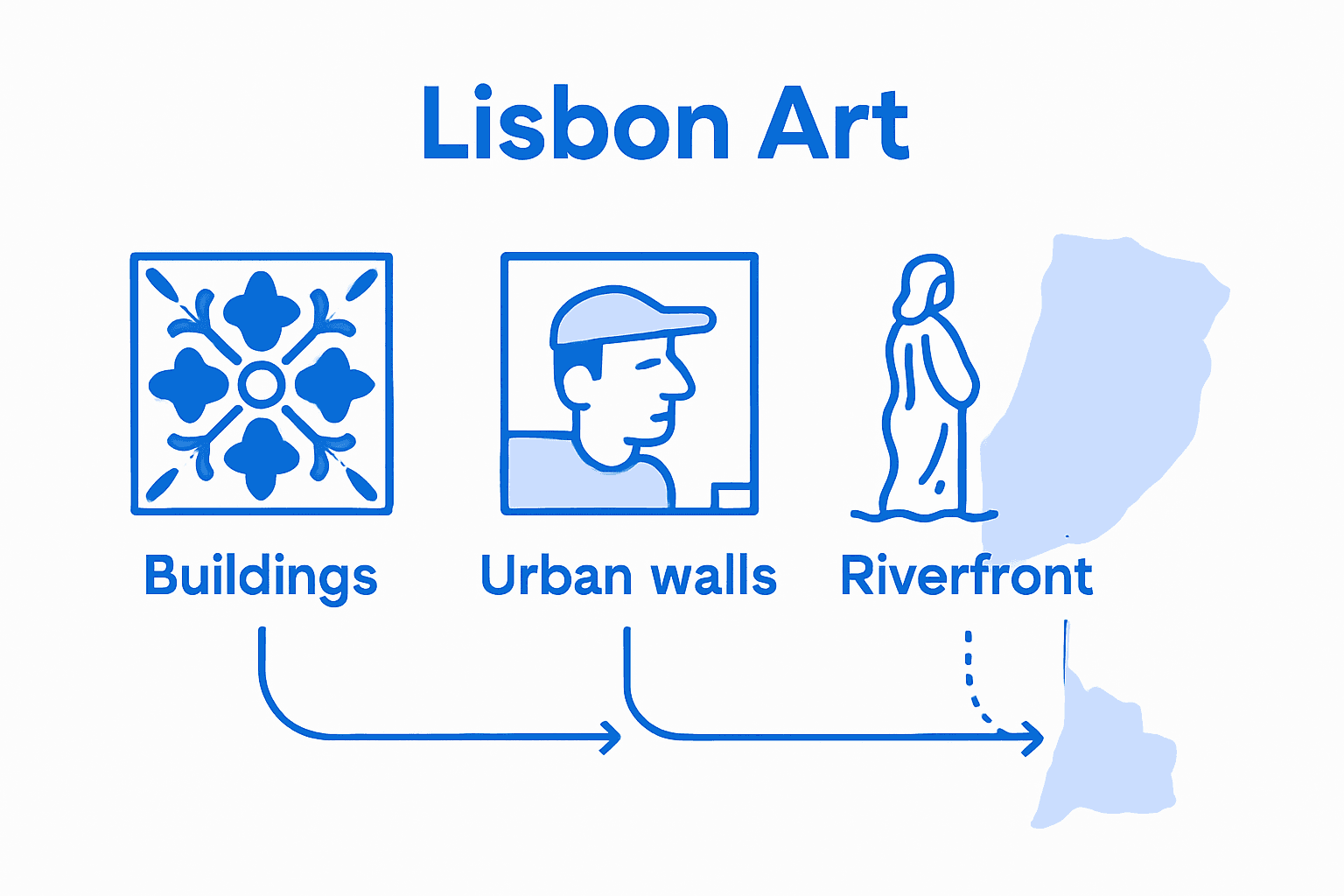
Lisbon’s public art represents a vibrant narrative of cultural expression that stretches from traditional ceramic tiles to contemporary street murals. Lisbon’s artistic landscape is a dynamic blend of historical and modern visual storytelling, transforming urban spaces into open-air galleries that capture the city’s creative spirit.
The public art scene in Lisbon is characterized by two primary artistic traditions. First, the iconic azulejos - hand-painted ceramic tiles that have decorated Portuguese buildings for centuries - represent a deeply rooted cultural practice. These intricate blue and white tiles often depict historical scenes, religious narratives, or ornate geometric patterns that tell stories of Portugal’s rich maritime and colonial history. Second, contemporary street art has emerged as a powerful medium of urban expression, with talented artists using building facades as canvases to communicate social commentary, personal experiences, and creative visions.
Lisbon’s commitment to art extends beyond street-level displays. The Calouste Gulbenkian Museum exemplifies the city’s dedication to preserving artistic heritage, housing collections that span from Ancient Egyptian artifacts to early 20th-century masterpieces. This institutional support underscores how public art in Lisbon is not just a visual phenomenon, but a comprehensive cultural ecosystem that bridges historical traditions with contemporary creative practices.
Pro Tip for Art Enthusiasts: When exploring Lisbon’s public art, bring a good walking map and comfortable shoes. Many of the most spectacular street art installations are found in neighborhoods like Alfama and Bairro Alto, where unexpected artistic treasures await around every corner.
Here’s a comparison of the main types of public art found in Lisbon:
Art Form | Typical Locations | Key Characteristics | Cultural Significance |
Azulejos | Facades, metro stations | Hand-painted ceramic tiles | Preserve Portuguese history and legends |
Street Murals | Urban neighborhoods | Large, colorful wall paintings | Social commentary and creative expression |
Statues & Monuments | Waterfront, plazas | Bronze or stone sculptures | Honor explorers and historic figures |
Artistic Pavements | Sidewalks, squares | Mosaic black and white patterns | Reflect traditional Portuguese craftsmanship |
Major Statues Along Lisbon’s Waterfront
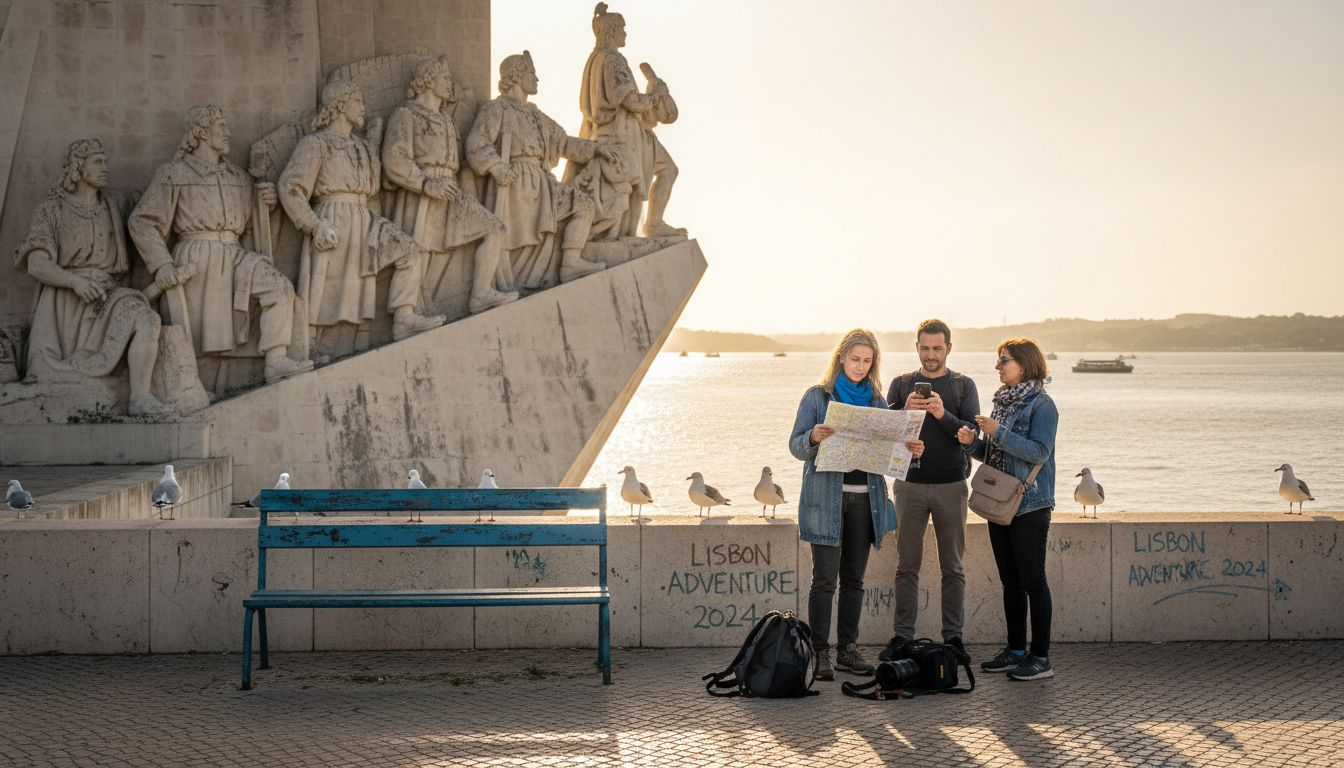
Lisbon’s waterfront is a magnificent canvas of historical monuments and sculptural tributes that commemorate Portugal’s rich maritime heritage. The Monument of the Discoveries stands as a towering testament to the nation’s exploratory spirit, a 56-meter-high structure that celebrates the adventurers who expanded Portugal’s global influence during the Age of Exploration.
Among the most iconic waterfront statues, the Padrão dos Descobrimentos (Monument of the Discoveries) features a dramatic array of historical figures positioned on a stylized caravel ship. These sculpted representations include notable explorers like Vasco da Gama, Prince Henry the Navigator, and other significant Portuguese maritime personalities who played crucial roles in global navigation and colonial expansion. The monument’s dynamic design points symbolically toward the Tagus River, representing Portugal’s historical connection to maritime exploration.
Just across the river, another monumental statue captures the spiritual landscape of the region. The Sanctuary of Christ the King) in Almada, standing an impressive 110 meters tall, overlooks Lisbon with arms outstretched. Inspired by Rio de Janeiro’s Christ the Redeemer, this massive statue symbolizes Portugal’s gratitude for being spared during World War II, serving as both a religious icon and a powerful historical marker that reflects the nation’s resilience and faith.
Pro Tip for Monument Visitors: To fully appreciate these waterfront statues, visit during the early morning or late afternoon when softer lighting enhances the sculptural details and provides the most photogenic perspectives of these remarkable historical monuments.
Street Art And Urban Installations
Lisbon’s urban landscape has transformed into a dynamic canvas where street art and public installations serve as powerful mediums of cultural expression and social dialogue. The Quinta do Mocho murals exemplify this artistic revolution, where a social housing estate in Sacavém has been dramatically reimagined as an open-air gallery featuring over 90 large-scale murals that not only beautify the space but also foster community pride and reduce local crime rates.
The street art scene in Lisbon goes beyond aesthetic appeal, often addressing critical social and global issues. Urban artists are using public spaces as platforms for meaningful conversations, with neighborhoods like Amadora becoming showcases for innovative artistic interventions. Murals highlighting the United Nations’ Sustainable Development Goals demonstrate how street art can transform urban environments into powerful communication tools, addressing themes like poverty, hunger, and social equality through visual storytelling.
These urban installations represent more than just artistic expression - they are living narratives of Lisbon’s social fabric. Neighborhoods that were once marginalized are now celebrated for their creativity, with street art serving as a democratizing force that gives voice to communities often overlooked in traditional art spaces. Artists collaborate with local residents, transforming blank walls into vibrant canvases that reflect the city’s multicultural identity, social challenges, and collective aspirations.
Pro Tip for Street Art Explorers: Wear comfortable walking shoes and carry a smartphone with a good camera when exploring Lisbon’s street art. Many murals are located in unexpected places, and documenting these ephemeral artworks allows you to capture the city’s dynamic creative spirit.
Public Art In Lisbon’s Parks And Gardens
Lisbon’s parks and gardens are more than just green spaces - they are vibrant cultural landscapes where art and nature intertwine seamlessly. The Centro de Arte Moderna Gulbenkian exemplifies this harmonious integration, showcasing modern and contemporary Portuguese art within the lush surroundings of the Gulbenkian Foundation’s gardens, creating an immersive experience where artistic expression meets natural beauty.
The city’s public art installations in green spaces serve multiple purposes beyond aesthetic enhancement. Sculptural works strategically placed throughout parks communicate historical narratives, celebrate cultural diversity, and invite contemplative interaction from visitors. The Calouste Gulbenkian Museum’s gardens offer a prime example of this approach, where carefully curated sculptures are nestled among meticulously maintained greenery, transforming the outdoor space into an open-air gallery that engages viewers in a unique dialogue between art and landscape.
These artistic interventions in Lisbon’s parks reflect a sophisticated urban philosophy that views public spaces as dynamic platforms for cultural expression. Sculptures, installations, and integrated art pieces do more than decorate - they challenge viewers, commemorate historical moments, and create communal spaces that invite reflection, discussion, and shared experiences. From abstract modern sculptures to more traditional commemorative works, each piece tells a story about Lisbon’s rich cultural heritage and contemporary artistic vision.
Pro Tip for Art Explorers: Visit parks during different times of day to experience how changing light transforms public art installations. Morning and late afternoon light can dramatically alter the visual and emotional impact of sculptural works.
Artistic Pavements And Decorative Details
Lisbon’s streets are a magnificent canvas where artistic expression extends far beyond traditional art forms, transforming even the ground beneath visitors’ feet into a remarkable display of cultural creativity. The calçada portuguesa (Portuguese pavement) represents a unique artistic tradition, with intricate mosaic-like stone patterns that turn ordinary walkways into extraordinary visual experiences, telling stories through carefully arranged black and white stones.
The city’s decorative details emerge most prominently through azulejos - the hand-painted ceramic tiles that adorn building facades, creating a living architectural narrative. These tiles are not merely decorative elements but powerful storytelling mediums that capture historical scenes, mythological narratives, and everyday life with stunning visual complexity. From religious motifs to maritime explorations, each tile collection represents a chapter of Portuguese cultural memory, transforming urban surfaces into expansive artistic canvases.
The Column of Pedro IV in Rossio Square exemplifies Lisbon’s commitment to integrating artistic detail into public spaces. This monumental structure features intricate sculptural elements that demonstrate the city’s dedication to transforming functional urban infrastructure into opportunities for artistic expression. Such monuments serve as more than historical markers - they are sophisticated visual narratives that invite viewers to pause, observe, and connect with the deeper cultural nuances embedded in Lisbon’s architectural landscape.
Pro Tip for Detail Seekers: Always look down when walking through Lisbon’s streets. The pavements themselves are works of art, with complex geometric patterns that tell stories as compelling as any museum exhibit.
Below is a summary of major Lisbon public art destinations and what makes each unique:
Destination | Type of Art | Distinctive Feature |
Calouste Gulbenkian Museum & Gardens | Sculpture, modern art | Integration with lush park landscapes |
Quinta do Mocho Murals | Street art murals | Transforms housing into open-air gallery |
Monument of the Discoveries | Monument sculpture | Honors maritime explorers |
Rossio Square (Column of Pedro IV) | Decorative pavement, statue | Ornate column and mosaic pavements |
Experience Lisbon’s Public Art from a Stunning New Perspective
Lisbon’s public art scene reveals rich stories of history and culture through statues, murals, and decorative details. Yet seeing these vibrant creations from the ground can limit your experience. To fully appreciate Lisbon’s artistic narrative and iconic waterfront monuments like the Monument of the Discoveries you need a fresh viewpoint that connects the city’s coastline with its cultural heartbeat. If you want to avoid crowded streets and rushed tours discover the peaceful beauty of art and history while sailing along Lisbon’s historical coastline.

Set sail on a 2-hour guided tour or a private yacht cruise with Lisbon By Boat and uncover the stories behind Lisbon’s public art and maritime heritage. Feel the ocean breeze as expert guides bring monuments and urban art to life, bridging tradition with modern creativity. Don’t just see Lisbon’s art—immerse yourself in it from the water’s edge. Book your unforgettable sailing experience now at Lisbon By Boat and discover the city’s masterpieces like never before.
Frequently Asked Questions
What types of public art can be found in Lisbon?
Lisbon features various types of public art, including traditional azulejos (hand-painted ceramic tiles), contemporary street murals, statues and monuments, and artistic pavements that enhance the city’s visual landscape.
How does Lisbon’s public art reflect its cultural history?
Lisbon’s public art, from intricate azulejos to monumental statues, encapsulates the city’s rich maritime history, cultural narratives, and social commentary, allowing visitors to engage with the stories and values that shape its identity.
What is the significance of the Monument of the Discoveries?
The Monument of the Discoveries honors notable explorers and figures from Portugal’s Age of Exploration, showcasing the nation’s historical maritime achievements and connection to global exploration.
How can I best explore Lisbon’s public art?
To fully appreciate Lisbon’s public art, wear comfortable shoes, bring a good walking map, and explore neighborhoods like Alfama and Bairro Alto, where unexpected artistic treasures can be found around every corner.
Recommended
Comments