

Lisbon Winter Weather: 5-7 Hours Daily Sunshine for Sailing
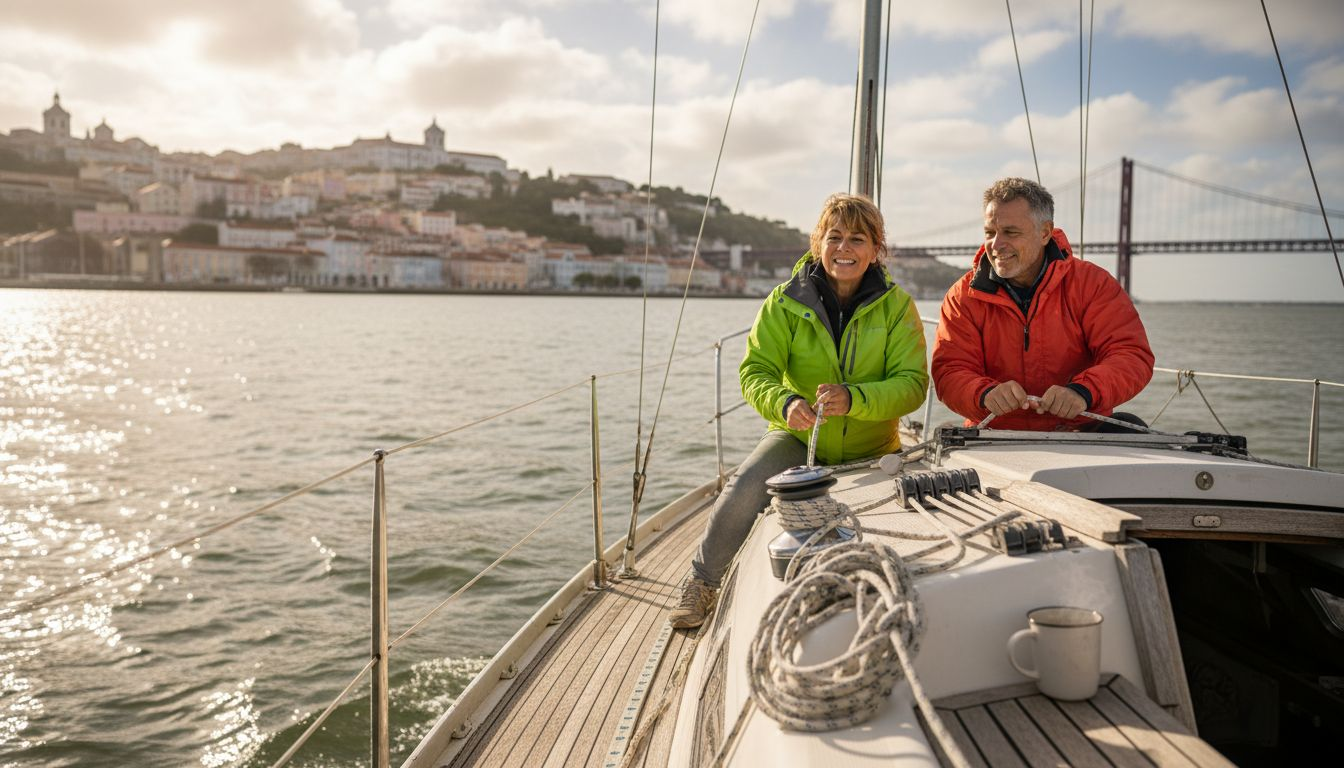
Many travelers assume Lisbon’s winter is too cold and wet for coastal activities, but the data tells a different story. The city enjoys mild temperatures between 11°C and 16°C throughout winter months, paired with 5 to 7 hours of sunshine daily. This article reveals the true winter weather patterns and practical guidance for safely experiencing Lisbon’s stunning coastline by boat during the cooler season.
Table of Contents
Key Takeaways
Point | Details |
Temperature Range | Winter averages 11-16°C, comfortable for outdoor sailing activities with proper layering. |
Sunshine Duration | 5 to 7 hours daily sunshine provides ample daylight for tours and sightseeing. |
Rainfall Pattern | Monthly rainfall averages 80-100 mm in short bursts, not continuous downpours. |
Wind Conditions | Steady north/northeasterly winds at 10-20 km/h create ideal, stable sailing conditions. |
Tourist Advantage | 30-40% fewer winter visitors mean quieter tours and more personalized experiences. |
Lisbon Winter Weather Overview
Lisbon’s winter climate offers surprisingly favorable conditions for sailing enthusiasts. Average temperatures range from 11°C to 16°C, creating a comfortable environment for outdoor activities when dressed appropriately. These mild conditions stand in stark contrast to northern European winters.
Monthly rainfall averages about 80 to 100 mm per month, arriving mostly in short bursts rather than prolonged storms. This pattern means clear sailing windows exist between rain events, allowing tours to proceed on most days. The intermittent nature of precipitation makes planning possible.
Winter Weather Metrics for Sailing
Metric | December | January | February |
Avg Temperature | 11-15°C | 11-14°C | 12-16°C |
Monthly Rainfall | 93 mm | 100 mm | 79 mm |
Daily Sunshine | 5-6 hours | 5 hours | 6-7 hours |
Wind Speed | 10-20 km/h | 10-20 km/h | 10-20 km/h |
Prevailing winds from the north and northeast blow at moderate speeds of 10-20 km/h. These consistent patterns provide stable sailing conditions without the unpredictability of gusty weather. The steady airflow powers sailboats effectively while maintaining safety.
Lisbon experiences about 5 to 7 hours of sunshine daily on average in winter. This generous daylight allocation enables full morning or afternoon tours with excellent visibility. Clear winter skies often provide better atmospheric clarity than summer haze.
Optimal Sailing Conditions
Midday hours offer peak temperatures and strongest sunlight
Morning departures capture calmer seas before afternoon breezes strengthen
Late morning slots balance warmth with stable wind patterns
Afternoon tours benefit from maximum temperature comfort
Understanding Lisbon Christmas weather details helps tourists plan holiday sailing adventures with confidence. The season’s mild nature supports comfortable exploration.
Pro Tip: Schedule your sailing tour between 11 AM and 3 PM when temperatures peak and sunshine is strongest, maximizing comfort and photographic opportunities along the coast.
Common Misconceptions about Lisbon Winter Weather
Several persistent myths discourage tourists from considering winter sailing in Lisbon. Understanding the reality behind these misconceptions opens opportunities for exceptional coastal experiences during the quieter season.
Myth vs Reality Breakdown
Myth: Winter temperatures are too cold for enjoyable sailing
Reality: Temperatures of 11-16°C remain comfortable with appropriate layering
Myth: Constant rain makes winter sailing impossible
Reality: Rainfall occurs in short bursts, leaving many clear periods for tours
Myth: Strong winter winds create dangerous sailing conditions
Reality: Moderate 10-20 km/h winds provide ideal propulsion without safety concerns
Myth: Gray skies obscure coastal monuments and scenery
Reality: Winter often delivers clearer atmospheric conditions than summer humidity
Wind chill remains a consideration even when actual temperatures seem mild. The combination of sea breeze and boat movement creates cooling effects that proper clothing addresses easily. Layered waterproof outerwear transforms potentially chilly conditions into comfortable experiences.
“Lisbon’s winter climate offers one of Europe’s most forgiving maritime environments. The combination of mild temperatures, manageable rainfall, and steady winds creates conditions that many northern ports can only dream of achieving during their sailing seasons.”
Winter months frequently provide superior visibility for photographing and viewing Lisbon’s iconic coastal landmarks. The lower humidity and cleaner air enhance long-distance views of monuments like the Belém Tower and Christ the King statue. These atmospheric advantages make winter sailing charm in Lisbon a photographer’s delight.
The perception that winter equals continuous gray weather stems from experiences in northern climates. Lisbon’s position at 38°N latitude and Atlantic influence create fundamentally different patterns than cities like London or Hamburg face.
Comparing Lisbon’s Winter Sailing Climate to Other Destinations
Placing Lisbon’s winter conditions in context reveals significant advantages over alternative European sailing destinations. Temperature differentials of 7-10°C separate Lisbon from northern ports during winter months.
European Winter Sailing Comparison
City | Avg Temp | Monthly Rain | Wind Speed | Daily Sunshine |
Lisbon | 11-16°C | 80-100 mm | 10-20 km/h | 5-7 hours |
Hamburg | 1-4°C | 60-70 mm | 20-30 km/h | 1-2 hours |
Brest | 5-9°C | 120-140 mm | 25-35 km/h | 2-3 hours |
Barcelona | 8-13°C | 40-50 mm | 15-25 km/h | 5-6 hours |
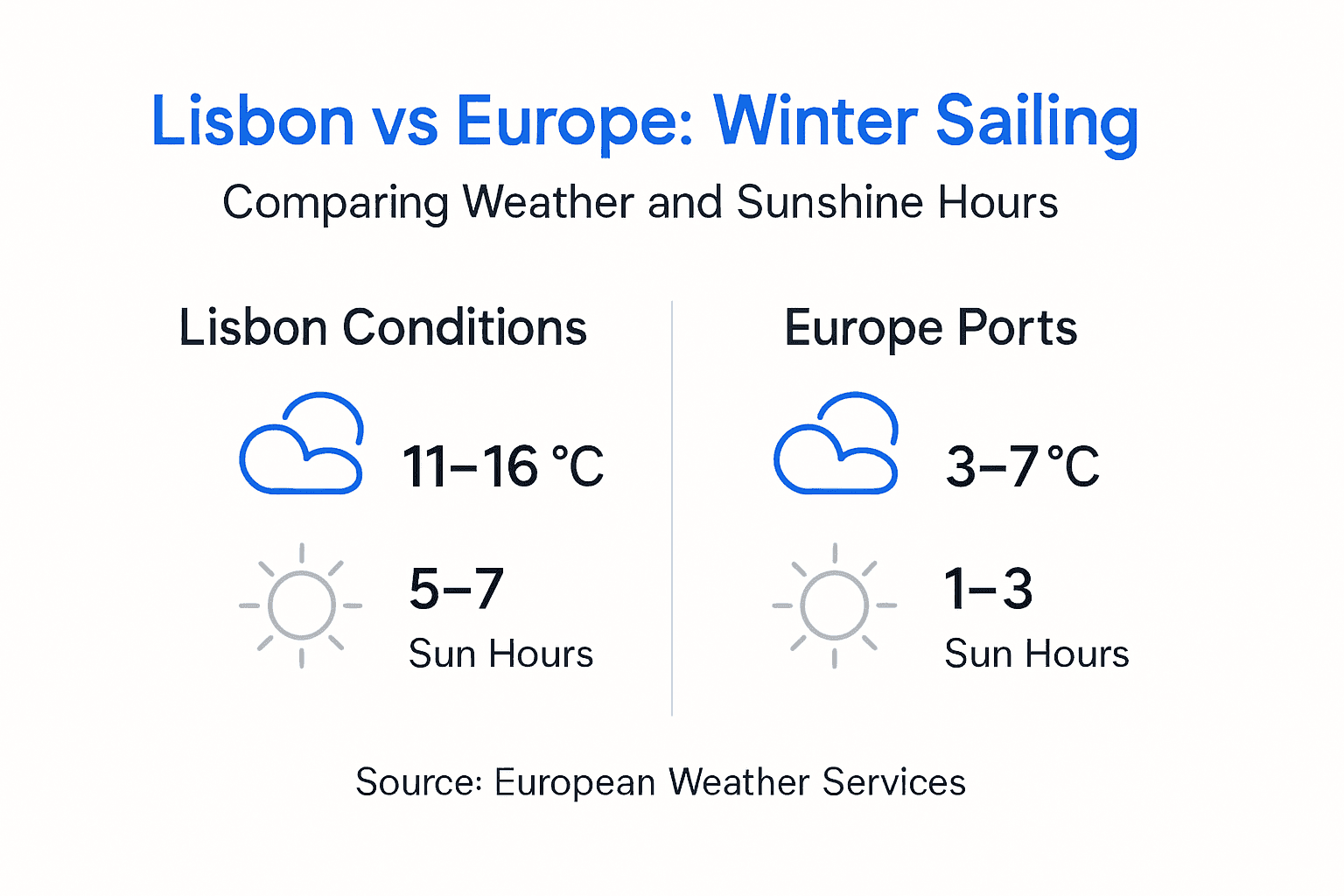
Northern European ports face substantially colder temperatures that require heated cabins and heavy winter gear. Ice formation risks in harbors and waterways create operational challenges that Mediterranean locations avoid entirely. Stronger, more variable winds in northern waters demand greater sailing expertise.
Lisbon’s winter temperatures are 7-10°C warmer than Hamburg or Brest, enabling comfortable sailing without extreme cold weather preparations. This temperature advantage translates directly into more accessible tourism experiences for average visitors.
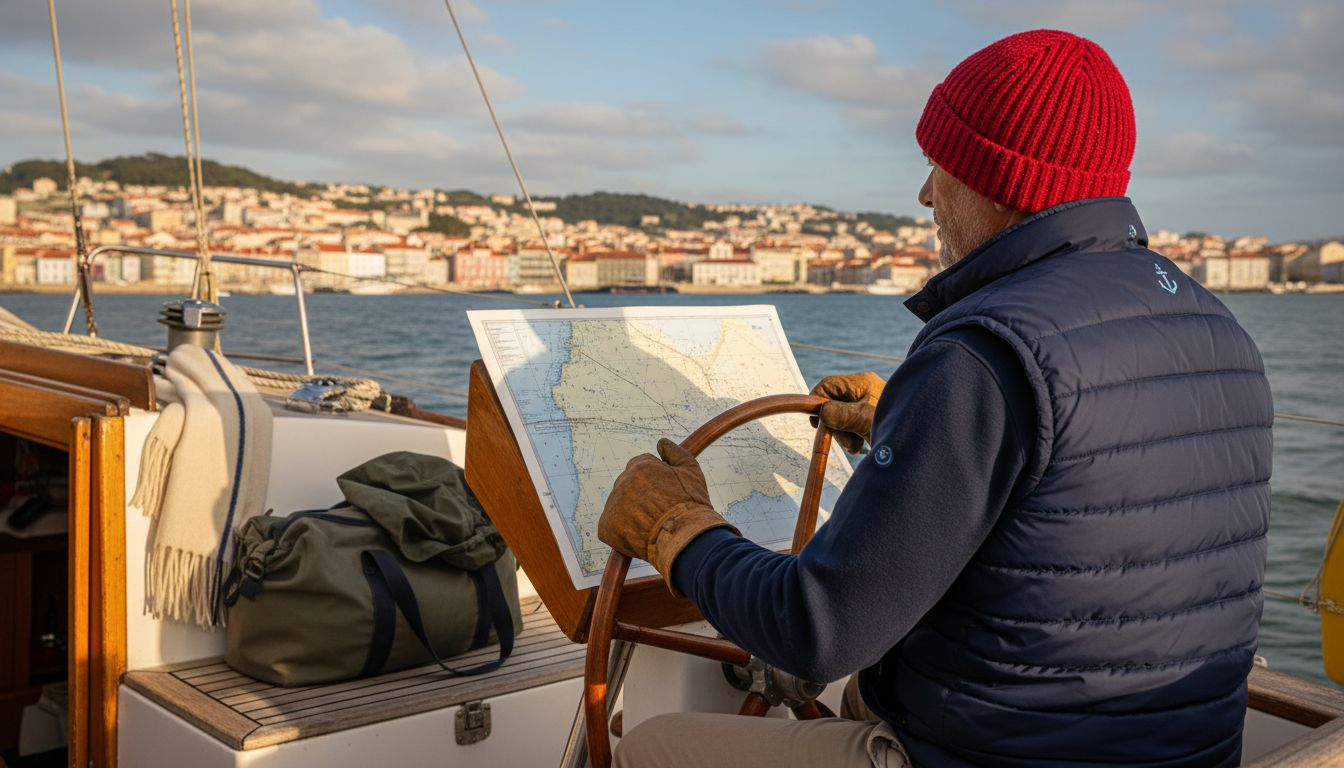
The extended sunshine hours Lisbon receives during winter months create longer viable sailing windows. While northern ports struggle with 1-2 hours of weak daylight, Lisbon’s 5-7 hours provide flexibility in scheduling and tour timing. This daylight advantage supports both morning and afternoon departures.
Climate Advantages Summary
Southern latitude delivers inherently milder winter conditions
Atlantic Gulf Stream influence moderates temperature extremes
Protected Tagus River estuary offers sheltered sailing options
Consistent weather patterns enable reliable tour scheduling
Winter tourism to Lisbon declines 30-40% compared to summer peaks, creating opportunities for more intimate sailing experiences. The reduced visitor numbers contrast sharply with year-round crowding at tropical destinations. This seasonal dip benefits tourists seeking Lisbon winter sailing charm without masses of fellow travelers.
Advantages of Winter Sailing in Lisbon
The combination of favorable weather and reduced tourism creates unique benefits for winter sailors. These advantages often exceed what peak season offers despite warmer temperatures.
Mild temperatures paired with steady winds produce safe, comfortable sailing conditions suitable for all experience levels. The 11-16°C range eliminates both the discomfort of cold and the lethargy of excessive heat. Physical comfort enhances enjoyment of coastal scenery and onboard explanations.
Winter sailing tours see 30-40% fewer tourists, transforming the experience from crowded to personal. Smaller group sizes allow guides to provide detailed attention and answer individual questions thoroughly. The relaxed pace creates space for genuine connection with the maritime environment.
Key Winter Sailing Benefits
Clearer atmospheric conditions improve monument visibility and photography
Lower tourist volumes ensure better availability and flexible booking
Reduced marina traffic creates calmer departure and arrival experiences
Cooler temperatures prevent overheating during sunny sailing periods
Off-season pricing often provides better value for identical tour quality
Clearer air quality during winter months enhances the visual experience of sailing past Lisbon’s historic coastline. The crisp atmosphere reveals architectural details on distant monuments that summer haze obscures. Photographers particularly appreciate the superior lighting conditions and contrast.
Cultural and natural coastal attractions remain fully accessible throughout winter. The Belém Tower, Monument to the Discoveries, and Cristo Rei statue stand unchanged by season. Marine life patterns shift but dolphins and seabirds continue inhabiting the waters year-round.
The winter sailing advantages in Lisbon extend beyond weather to encompass the entire tourism experience. Restaurants, transport, and accommodations face less pressure, improving service quality across the travel chain.
Pro Tip: Book winter sailing tours for maximum flexibility in scheduling changes and the most attentive service from guides who can focus on smaller passenger groups without summer rush pressures.
Tips for Touring Lisbon by Boat in Winter
Proper preparation transforms winter sailing from potentially uncomfortable to genuinely enjoyable. Strategic choices in clothing, timing, and tour selection maximize comfort and experience quality.
Essential Winter Sailing Preparation
Layer clothing with moisture-wicking base layers, insulating mid-layers, and waterproof outer shells
Schedule tours between 11 AM and 3 PM for optimal temperature and sunlight conditions
Check marine weather forecasts on sailing day morning for updated wind and precipitation predictions
Select private or small group tours for flexibility if conditions shift during the outing
Bring sun protection despite cooler temperatures, as water reflection intensifies UV exposure
Dress in layers with waterproof outerwear to counter wind chill effects that make 15°C feel significantly cooler on the water. The sailing attire guide for Lisbon winter provides detailed clothing recommendations for comfort. Removable layers allow adjustment as conditions change throughout the tour.
Windproof accessories like gloves, hats, and scarves address the specific challenge of wind chill on exposed skin. Even when air temperature feels mild on land, boat movement creates apparent wind that accelerates heat loss. These small items pack easily but dramatically improve comfort.
Weather Monitoring Strategy
Check forecasts 24 hours before departure for general patterns
Review morning updates on sailing day for immediate conditions
Understand that brief rain showers rarely cancel tours
Ask tour operators about their weather decision protocols
Consider private or smaller group tours for enhanced flexibility during variable winter conditions. These options allow route adjustments or shortened durations if weather deteriorates unexpectedly. The personalized attention also enriches the educational aspects of coastal touring.
Midday scheduling captures both warmth and maximum daylight hours. Morning temperatures start cooler and take time to reach peak comfort levels. The sailing weather tips in Lisbon explain optimal timing for different conditions.
Hydration remains important despite cooler conditions, as wind exposure and physical activity create fluid needs. Many tourists underprepare for water needs in winter, leading to unnecessary discomfort. Bringing a water bottle ensures comfort throughout the tour.
Pro Tip: Pack windproof gloves and a warm hat even if temperatures seem mild, because wind chill on the water creates cooling effects that bare skin feels immediately but layered clothing blocks effectively.
Explore Lisbon’s Winter Sailing Tours Today
Experiencing Lisbon’s stunning coastline by boat during winter combines ideal weather with uncrowded conditions. Our daily sailing tours showcase the city’s historic waterfront through expert guided narratives explaining monuments and maritime heritage.
Discover how sailboat Lisbon tours explained reveals the full range of winter sailing options from two-hour group experiences to private full-day charters. The mild winter climate enables comfortable exploration of Lisbon trips coastal sailing routes year-round. Professional guides ensure safety while maximizing your learning and enjoyment of this unique maritime perspective on Portugal’s capital. Visit our Lisbon sailing blog for detailed preparation guidance and seasonal insights that help you plan the perfect winter sailing adventure.
Frequently Asked Questions About Lisbon Winter Weather and Sailing
What is the best time of day for winter sailing tours in Lisbon?
Midday departures between 11 AM and 3 PM offer peak temperatures and strongest sunshine, maximizing comfort on the water. Morning tours start cooler but provide calmer seas before afternoon breezes strengthen.
What should I wear for winter sailing in Lisbon?
Layer moisture-wicking base layers with insulating mid-layers and waterproof outer shells to counter wind chill. Include windproof gloves, a warm hat, and sun protection despite cooler temperatures.
How likely is rain to cancel my winter sailing tour?
Lisbon’s winter rain arrives in short bursts rather than all-day storms, so cancellations remain rare. Tours typically proceed between rain events, which clear quickly due to prevailing wind patterns.
Is winter sailing safe for inexperienced sailors in Lisbon?
Moderate 10-20 km/h winds and mild temperatures create ideal conditions for all experience levels. Professional guides handle navigation while passengers enjoy the scenery safely.
When should I book winter sailing tours in Lisbon?
Book 2-3 days ahead for flexibility while securing your preferred time slot. Winter’s lower tourist volumes provide better availability than summer’s crowded peak season.
Do dolphins appear along Lisbon’s coast during winter months?
Dolphin sightings occur year-round in Lisbon’s waters, though migration patterns affect frequency. Winter tours still offer opportunities to observe marine life and seabirds actively feeding.
Recommended
Comments