

Sailing Tour Must-Know Facts for Lisbon Travelers
TL;DR:
A sailing tour in Lisbon involves navigating the Tagus River estuary safely, with knowledge of vessel types and safety protocols. Choosing a skippered charter is recommended for inexperienced travelers, and booking early ensures better availability and options. Proper safety gear, local etiquette, and understanding vessel differences enhance the experience, which offers a unique perspective of Lisbon from the water.
A sailing tour is a guided or self-navigated maritime journey that requires specific knowledge about vessel types, safety protocols, and local conditions to enjoy fully and safely. For travelers planning a sailing tour in Lisbon, the stakes are higher than most realize. The Tagus River estuary meets the Atlantic Ocean here, creating wind patterns and tidal shifts that catch unprepared visitors off guard. Knowing the sailing tour must-know facts before you step aboard transforms a potentially stressful outing into one of the most memorable experiences Lisbon offers. From life jacket requirements to booking timelines, this guide covers every critical detail.
What are the sailing tour must-know facts for safety?
Safety aboard a sailing vessel is not optional, and the risks are specific enough to deserve serious attention before you leave the dock. Most recreational boating fatalities involve drowning, with boom-related injuries ranking among the leading causes of onboard accidents. The boom is the horizontal pole extending from the base of the mast. It swings with force even in light wind, and a single unexpected gybe can knock a person overboard before anyone reacts.
The gear that prevents these outcomes is well established. Life jackets, safety harnesses, and man-overboard rescue systems like the Lifesling are the three non-negotiables on any serious sailing vessel. The Lifesling provides buoyancy, a connection line back to the boat, and hoisting capacity, which means a crew member can recover a person in the water without jumping in themselves. SOLAS-grade flares and regularly inspected rescue devices are equally critical for distress signaling in open water.
Onboard behavior matters as much as gear. Keep one hand on a solid fixture at all times when moving around the deck, even in calm conditions. Wet surfaces, sudden heeling, and unexpected gusts make the deck a dynamic environment. Wearing non-slip shoes, avoiding the bow in rough conditions, and staying seated when the skipper calls for it are habits that separate experienced sailors from those who get hurt.
“The most dangerous moment on a sailboat is the one where you think nothing can go wrong.” This mindset shift, from passive passenger to aware participant, is the single most effective safety upgrade any traveler can make.
Pro Tip: Ask your skipper to walk you through the location of the life jackets, fire extinguisher, and flares before departure. A two-minute safety briefing at the dock is standard practice on professional tours and takes nothing away from the experience.
For a deeper look at Lisbon-specific safety measures, including common hazards in the Tagus estuary, Lisbonbyboat has published a detailed resource covering what guests should know before boarding.
How do vessel types and charter options compare for Lisbon?
Choosing between a bareboat charter and a skippered tour is the first real decision any traveler faces, and it shapes everything else about the experience. A crewed charter includes a captain and hostess who handle navigation, safety, and hospitality. Travelers with no sailing experience should always choose a skippered option. There is no learning curve, no licensing requirement, and no responsibility beyond showing up and enjoying the ride.
Bareboat charters place full responsibility on the charterer, who must hold a recognized sailing qualification such as an RYA Day Skipper or ASA 104 certification. These are best suited to experienced sailors who want full autonomy over their route and schedule. For most visitors to Lisbon, a skippered tour with Lisbonbyboat or a similar operator is the practical and safer choice.
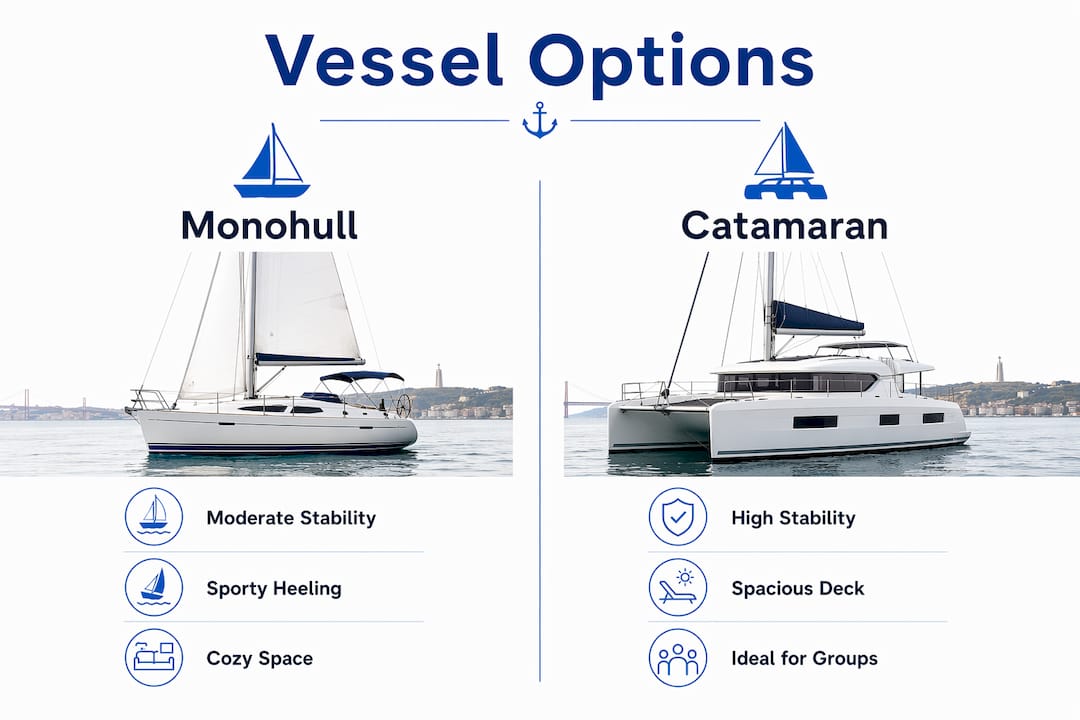
Vessel type is the second variable. Here is how the main options compare:
Vessel type | Stability | Space | Best for |
Monohull sailboat | Moderate, heels in wind | Compact, efficient | Authentic sailing feel, couples, small groups |
Catamaran | High, stays level | Wide deck, more cabin space | Families, larger groups, seasickness-prone guests |
Gulet | Very stable | Generous, traditional layout | Multi-day cruises, comfort-focused travelers |
Monohulls heel and feel sporty, which some guests love and others find unsettling. Catamarans are more stable and spacious but typically cost more to charter. For a two-hour sailing tour around Lisbon’s coastline, a monohull or catamaran both deliver excellent views of landmarks like the Torre de Belém, the Ponte 25 de Abril, and the Cristo Rei statue.
Understanding the roles of skipper and crew helps travelers set realistic expectations and get more from the experience. A good skipper does more than steer. They read the weather, manage sail trim, and narrate the coastline with local knowledge that no guidebook replicates.
What are the best booking and planning tips for a Lisbon sailing tour?
Planning a sailing tour in Lisbon rewards those who start early. Booking 3 to 4 months in advance secures the best availability, especially during peak summer months from June through September when demand for Tagus River tours spikes. Off-peak travelers in April, May, or October often find better pricing and smaller groups, which translates to a more personal experience on the water.
Follow this sequence when planning your tour:
Decide on group size first. Vessel capacity determines which boats are available. A couple has different options than a group of twelve.
Choose your duration. Lisbonbyboat offers tours from two hours to full-day private charters. Two hours covers the main coastal highlights. A full day allows stops, swimming, and a deeper exploration of the Arrábida coastline south of Lisbon.
Book directly with the operator. Direct bookings often include flexibility for weather-related rescheduling, which third-party platforms rarely guarantee.
Communicate dietary and mobility needs in advance. Skippered tours can accommodate most requirements, but only if the crew knows ahead of time.
Pack smart. Quick-dry clothes, reef-safe sunscreen, and soft luggage are the packing standards for sailing trips. Hard suitcases waste space and create hazards below deck.
Pro Tip: Overcommunicating with your crew before departure, covering preferences, concerns, and any medical conditions, consistently improves satisfaction and safety outcomes on charter tours. Treat it as a conversation, not a form.
For travelers coordinating a larger group, planning group sailing tours in Lisbon involves additional logistics around timing, meeting points, and managing varied expectations. Lisbonbyboat’s practical guide on this topic covers the specifics in detail.
What local insights and etiquette make a Lisbon sailing tour better?
Lisbon’s sailing conditions are shaped by the Nortada, a strong northerly wind that builds through the afternoon during summer months. Morning departures typically offer calmer conditions and cleaner light for photography. Afternoon tours deliver more wind and a livelier sailing experience. Flexibility in your itinerary is not a compromise. It is the correct response to a coastal environment that changes by the hour.
A few local etiquette points that most travel guides skip entirely:
Respect the skipper’s decisions without debate. If the skipper redirects the route due to wind or vessel traffic, that call is based on real-time conditions, not preference. Questioning it publicly creates tension and slows response time.
Keep noise at a reasonable level near other vessels. Lisbon’s marinas and anchorages are shared spaces. Sound carries across water far more than it does on land.
Ask before touching any lines or equipment. Even experienced sailors on an unfamiliar boat should ask before adjusting anything. Every vessel has its own rigging setup.
Tip the crew if the experience exceeds expectations. Tipping is not mandatory in Portugal, but it is recognized and appreciated in the maritime hospitality sector.
Bring motion sickness medication if you have any history of seasickness. The Tagus estuary can produce short, choppy waves that affect even experienced travelers. Taking medication an hour before departure is far more effective than treating symptoms after they start.
Engaging with the crew’s commentary on Lisbon’s monuments adds real depth to the tour. The Torre de Belém, visible from the water at its most dramatic angle, was built in the 16th century as a fortified tower and symbol of Portugal’s Age of Discovery. Seeing it from a sailing vessel rather than a tourist walkway is a genuinely different experience.
Key takeaways
A successful Lisbon sailing tour depends on three factors: choosing the right vessel and charter type, preparing with proper safety knowledge, and booking early enough to secure the best options.
Point | Details |
Safety gear is non-negotiable | Life jackets, harnesses, and Lifesling systems are standard on professional tours and save lives. |
Skippered tours suit most travelers | Crewed charters handle navigation and hospitality, requiring no sailing experience from guests. |
Book 3 to 4 months ahead | Early booking secures availability and allows time to communicate needs with the crew. |
Morning departures are calmer | Lisbon’s Nortada wind builds through the afternoon; morning tours offer smoother conditions. |
Pack light and smart | Soft luggage, quick-dry clothes, and reef-safe sunscreen are the practical standards for sailing trips. |
What I’ve learned from years on the Tagus
The travelers who enjoy Lisbon sailing tours most are rarely the ones who know the most about sailing. They are the ones who arrive curious, communicate openly, and trust the crew to do their job. I have watched guests spend the first twenty minutes of a tour gripping the rail with white knuckles, then spend the last twenty minutes asking if we can stay out longer. That shift happens when people stop trying to control the experience and start receiving it.
The most common mistake I see is treating a sailing tour like a sightseeing bus with a nautical theme. It is not. The boat responds to wind, current, and tide. The route adapts. The schedule bends. Travelers who resist that reality miss the point entirely. Those who embrace it discover something that no land-based tour in Lisbon can replicate: the city looks completely different from the water, and that difference is worth every minute of preparation.
One thing I tell every first-timer: the boom is not your enemy if you know where it is. Learn its position before you leave the dock, stay aware of it during tacks and gybes, and you will never have a problem. That single piece of knowledge removes the biggest physical hazard on the boat.
— Lisbon
Discover Lisbon from the water with Lisbonbyboat
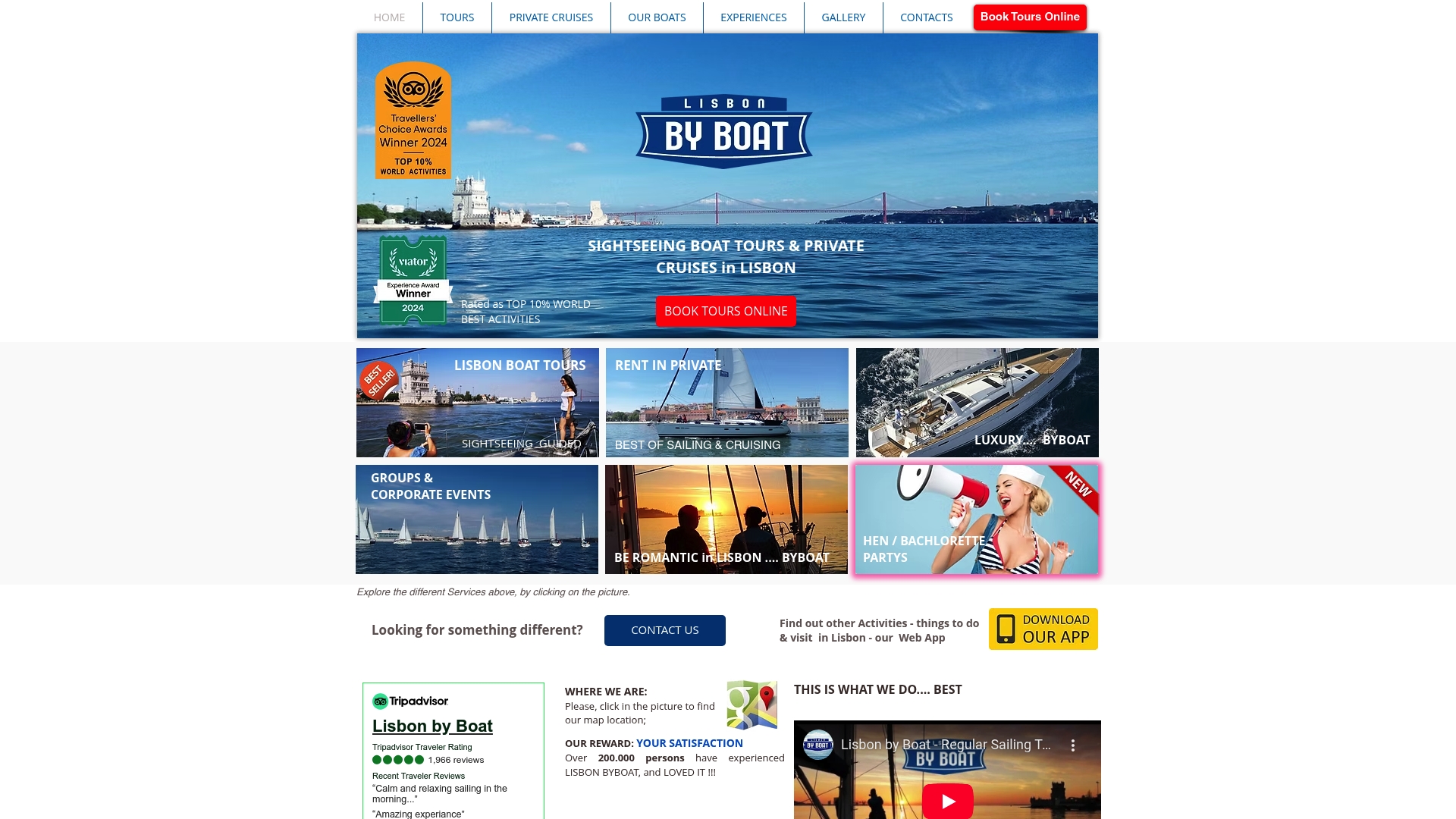
Lisbonbyboat offers daily sailing tours along Lisbon’s historical coastline, with expert skippers who bring the city’s maritime history to life from the deck. Tours run from two hours to full-day private charters on sailing yachts and catamarans, with routes that pass the Torre de Belém, the Ponte 25 de Abril, and the Jerónimos Monastery waterfront. Every tour includes professional crew, safety briefings, and the kind of local knowledge that transforms a boat ride into a genuine Lisbon experience. For travelers who want the full premium experience, explore luxury yacht charters in Lisbon with dedicated crew and tailored itineraries built around your group.
FAQ
What should first-time sailors know before a Lisbon tour?
First-time sailors should know the location of safety gear, practice the one-hand rule when moving on deck, and choose a skippered tour that handles all navigation. Lisbonbyboat provides safety briefings before every departure.
How far in advance should I book a Lisbon sailing tour?
Book 3 to 4 months ahead for peak summer months to secure the best vessel options and availability. Off-peak bookings in April, May, or October can often be arranged with shorter lead times.
What is the difference between a catamaran and a monohull for a sailing tour?
Catamarans are more stable and spacious, making them better for groups or guests prone to seasickness. Monohulls heel in the wind and deliver a more traditional sailing feel at a generally lower charter cost.
What should I pack for a two-hour sailing tour in Lisbon?
Pack quick-dry clothing, reef-safe sunscreen, soft-sided bags, and motion sickness medication if needed. Leave hard luggage at the hotel since storage space below deck is limited.
Is sailing in Lisbon safe for people with no experience?
Sailing in Lisbon is safe for complete beginners on skippered tours, where a licensed captain manages all navigation and safety decisions. Lisbonbyboat’s professional crew follows established sailing safety guidelines on every departure.
Recommended
Comments