

Sightseeing Tram Lisbon: 24-Hour Ticket Unlocks Coastal History

Many tourists think Lisbon’s iconic yellow trams are just charming public transport. In reality, these vintage vehicles serve as moving museums, offering guided sightseeing experiences along the city’s historic coastline. Route 28 winds through neighborhoods where maritime heritage meets architectural splendor, with multilingual commentary bringing each landmark to life. You’ll discover how to navigate ticketing, choose the best routes, and even combine tram tours with boat excursions for the ultimate coastal exploration.
Table of Contents
Key Takeaways
Point | Details |
Historic trams offer guided coastal tours | Vintage trams provide rich audio commentary covering Lisbon’s maritime and cultural heritage. |
Route 28 is the premier scenic route | This route showcases Alfama, Graça, Sé Cathedral, and waterfront landmarks in a 1.5-hour journey. |
24-hour tickets enable flexible exploration | Unlimited rides across historic routes with included access to funiculars and elevators. |
Tram and boat tours complement each other | Street-level tram views paired with panoramic river perspectives create comprehensive coastal sightseeing. |
Accessibility is limited on vintage trams | Narrow aisles and high steps make wheelchair access challenging on historic vehicles. |
Introduction to Lisbon’s Sightseeing Trams
Lisbon’s tram network dates back to 1901, when electric streetcars first climbed the city’s steep hills. Today, these historic Lisbon trams serve a dual purpose: functioning public transport and curated tourist experiences. The vintage Remodelado trams, built in the 1930s, remain in service specifically because tourists value their authentic character and the intimate neighborhood access they provide.
These trams offer something modern buses cannot: slow-paced passage through narrow cobblestone streets where balconies nearly touch the windows. You experience Lisbon at human scale, watching daily life unfold in historic districts while guides explain the maritime history that shaped each neighborhood. Lisbon’s historic trams are central to the city’s cultural heritage and tourism, connecting visitors directly to centuries of coastal commerce and exploration.
Key features that distinguish sightseeing trams include:
Routes specifically designed to pass major landmarks and scenic viewpoints
Onboard audio commentary in multiple languages explaining historical context
Access to hillside neighborhoods inaccessible by standard tour buses
Vintage atmosphere that enhances the historical immersion experience
Strategic stops near monuments, miradouros, and waterfront areas
Pro Tip: Board trams at their starting terminals (like Martim Moniz for Route 28) early in the morning, ideally before 9 AM. You’ll secure window seats and avoid midday crowds when the trams become standing room only.
Key Tram Routes Showcasing Lisbon’s Historic Coastline
Route 28 stands as the undisputed champion of Lisbon sightseeing trams. This Route 28 tram experience traverses the city from Martim Moniz to Campo de Ourique, covering approximately 7 kilometers in 40 to 50 minutes without stops. Tram 28 covers Alfama, Graça, Sé Cathedral, and Praça do Comércio, offering scenic views of Lisbon’s historic coastline, making it essential for first-time visitors.
The route winds through neighborhoods that defined Lisbon’s maritime power. Alfama’s medieval streets cascade down to the Tagus River, where explorers once departed for unknown continents. Graça provides elevated views across the city to the water. The tram passes within steps of landmarks that witnessed Portugal’s Age of Discovery, from fortified cathedral walls to riverside plazas where merchants traded goods from three continents.

Trams run every 8 to 15 minutes during peak hours, with slightly longer intervals in early morning and evening. The complete circuit allows you to stay aboard for the full loop or disembark to explore specific neighborhoods before catching the next tram with your valid ticket.
Route | Length | Key Stops | Primary Highlights |
28 | 7 km | Alfama, Graça, Baixa, Estrela | Sé Cathedral, São Jorge Castle views, riverside panoramas |
12 | 4 km | Alfama, Mouraria, Martim Moniz | Fado district, historic Muslim quarter, Portas do Sol viewpoint |
15 | 9 km | Algés, Belém, Praça da Figueira | Belém Tower (distant view), Jerónimos Monastery, Commerce Square |
18 | 5 km | Ajuda, Alcântara, Cais do Sodré | Palace district, 25 de Abril Bridge views, waterfront nightlife area |
Major landmarks visible from Route 28 windows:
Sé Cathedral, Lisbon’s oldest church dating to 1147
Miradouro de Santa Luzia, offering postcard views over Alfama to the river
Portas do Sol, where you see terracotta rooftops descending to blue water
Praça do Comércio, the monumental waterfront square rebuilt after the 1755 earthquake
São Jorge Castle perched on the hilltop, visible from multiple route sections
Pro Tip: Sit on the right side heading from Martim Moniz toward Campo de Ourique for the best river views. The left side offers superior vistas when returning.
Thematic Guided Commentary and Language Accessibility
Modern sightseeing tram services integrate multilingual audio commentary available in 12 or more languages, ensuring tourists worldwide can access historical narratives. You receive headphones and a handheld device synced to the tram’s GPS position, triggering explanations precisely when landmarks come into view.
The commentary transforms window gazing into education. As you pass the Sé Cathedral, guides explain how its Romanesque fortress-like architecture reflects the uncertain times when Christians reclaimed Lisbon from Moorish rule. Approaching Alfama, you learn how this district survived the 1755 earthquake that destroyed most of Lisbon, preserving medieval street patterns that exist nowhere else in the city.
Thematic topics covered by audio guides include:
Maritime exploration history and Portugal’s role in opening global trade routes
Architectural evolution from Romanesque through Manueline to contemporary styles
Fado music origins in waterfront taverns and working-class neighborhoods
The 1755 earthquake and tsunami that reshaped Lisbon’s urban planning
Daily life in historic neighborhoods, from traditional commerce to modern gentrification
The audio system accommodates hearing-impaired visitors with adjustable volume and transcript options on newer devices. However, the vintage tram environment itself presents challenges. Wooden floors and metal wheels create ambient noise that can interfere with audio clarity, particularly when trams navigate tight curves or cross intersections.
Language options typically include English, Spanish, French, German, Italian, Portuguese, Mandarin, Japanese, Korean, Russian, and Dutch. Tour operators update content seasonally to incorporate new historical research and respond to visitor feedback about specific landmarks or stories that resonate most strongly.
Practicalities: Ticketing, Accessibility, and Scheduling
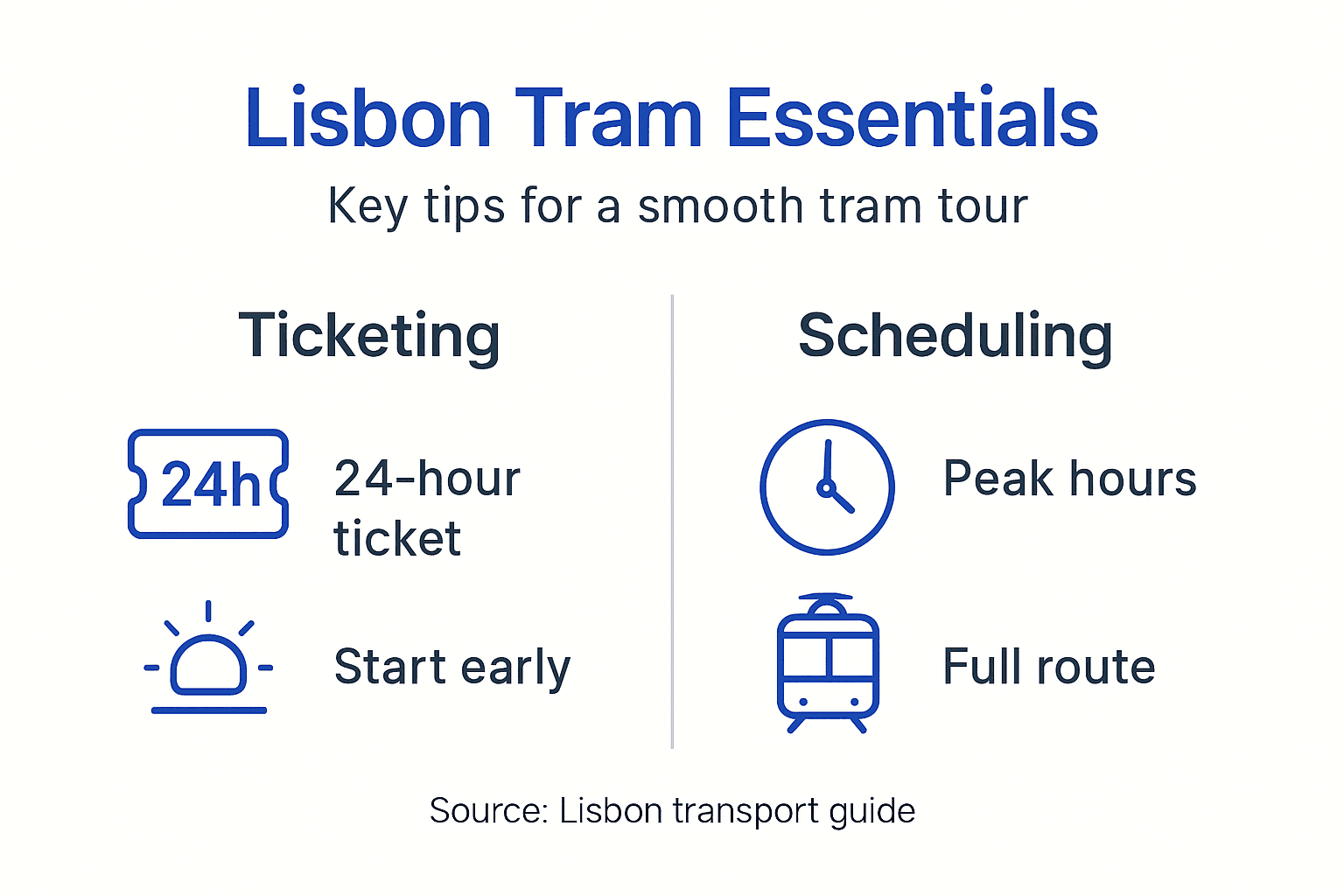
Sightseeing tram tickets often include 24-hour validity covering unlimited rides on historic routes and access to related lifts and funiculars, providing exceptional value for tourists planning full-day exploration. These passes differ from standard public transport tickets by including audio guide access and priority boarding at designated tourist stops.
Ticketing options and purchase locations:
24-hour tourist passes available at tram terminals, visitor centers, and authorized hotels
Online advance purchase through official tourism websites with mobile ticket delivery
Combination tickets bundling tram access with museum entry or boat tour discounts
Standard Viva Viagem cards work for public tram rides but exclude audio guides
Some hotels offer packages including tram tickets with room reservations
Operating hours run from approximately 6 AM to 11 PM daily, though sightseeing-focused services with full audio commentary typically start at 9 AM. Route 28 maintains the most frequent schedule, with trams arriving every 8 minutes during 10 AM to 6 PM peak tourist hours. Early morning and evening intervals extend to 12 to 15 minutes.
Accessibility considerations require honest assessment. The vintage Remodelado trams feature:
Three steep entry steps with no mechanical assistance
Narrow aisles (approximately 45 cm wide) that wheelchairs cannot navigate
Hard wooden bench seating without cushioning or adjustability
Standing areas that become crowded during peak hours
No dedicated wheelchair spaces or accessibility equipment
Visitors using wheelchairs or with significant mobility limitations should consider accessible bus tours or private vehicle options. Lisbon’s tourism office maintains ticketing and scheduling tips updated with current accessibility alternatives.
Pro Tip: Purchase your 24-hour tram tickets before 9 AM at less crowded terminals. Start early, ride the full Route 28 circuit once to identify neighborhoods worth deeper exploration, then use your unlimited access to hop between districts at your own pace throughout the day.
Tram vs. Boat: Comparing Scenic Sightseeing Options of Lisbon’s Coastline
Choosing between tram and boat tours depends on what perspectives you value most. Combining tram and boat tours enriches the visitor experience by offering both street-level and panoramic views of Lisbon’s historic coast, but understanding their differences helps you allocate time and budget effectively.
Trams provide intimate neighborhood immersion. You pass close enough to see architectural details, smell bakery pastries, and hear street musicians. The street-level viewpoint emphasizes how Lisbon’s hills create layered neighborhoods cascading toward the water. However, trams rarely reach the actual waterfront; you glimpse the river between buildings rather than experiencing it directly.
Boat tours reverse this dynamic. You gain sweeping panoramas of Lisbon’s seven hills, the 25 de Abril Bridge, and Cristo Rei statue impossible to appreciate from street level. Monuments like Belém Tower and MAAT museum reveal their waterfront context. The boat and tram tour comparison shows how each mode complements rather than duplicates the other.
Feature | Tram Tours | Boat Tours |
Viewpoint | Street level, intimate neighborhood views | Panoramic river and coastline perspectives |
Typical Duration | 40-90 minutes | 2 hours standard, up to full day for private |
Price Range | €10-€15 for 24-hour pass | €25-€45 for group tours, €200+ for private charters |
Accessibility | Limited due to vintage design | Generally wheelchair accessible with advance notice |
Weather Dependency | Minimal (covered vehicles) | Moderate (open decks affected by wind, rain) |
Unique Views | Alfama interiors, hillside miradouros, São Jorge Castle | Belém Tower from water, bridge underside, Cristo Rei, full skyline |
Landmarks best appreciated from trams:
Alfama’s maze of medieval streets and residential authenticity
Sé Cathedral’s Romanesque fortress architecture
Miradouro viewpoints providing elevated coastal perspectives
Traditional azulejo tile facades in Graça and Mouraria
Landmarks best appreciated from boats:
Belém Tower standing in the Tagus River where explorers departed
Commerce Square’s triumphal arch and waterfront symmetry
25 de Abril Bridge’s engineering scale and Cristo Rei monument
MAAT and Electricity Museum’s contemporary waterfront architecture
The comparison reveals strategic advantages. Trams excel at cultural immersion and historical neighborhood context. Boats provide geographic understanding and monument relationships to the river that powered Lisbon’s global influence. Budget-conscious tourists can choose one based on interests; those seeking comprehensive understanding benefit from experiencing both.
Combining Tram and Nautical Tours for a Richer Experience
Integrated tram and boat sightseeing creates a complete coastal narrative. Combining tram and boat tours allows viewing key monuments like Belém Tower and the 25 de Abril Bridge from both land and water perspectives, revealing how geography shaped the city’s maritime power.
A sample one-day itinerary maximizing both experiences:
Begin with Route 28 at 8:30 AM from Martim Moniz, riding to Estrela while streets remain quiet and you secure window seats for optimal photography.
Disembark at Estrela to explore the basilica and adjacent garden, using your 24-hour ticket flexibility.
Resume Route 28 back toward Alfama, exiting at Portas do Sol for mid-morning coffee at the miradouro overlooking terracotta rooftops descending to the river.
Walk downhill through Alfama to the waterfront, arriving at Cais do Sodré or Belém for a 2 PM boat departure.
Experience the 2-hour sailing tour along the historic coastline, viewing monuments from the water while guides explain their maritime significance.
Disembark around 4 PM, using remaining tram ticket validity to explore neighborhoods missed earlier or revisit favorites during golden hour light.
Booking optimization strategies:
Reserve boat tours for afternoon when light favors photography of monuments facing east
Purchase tram tickets first thing morning to maximize 24-hour validity period
Check for tram and boat combined tours offering package discounts of 15-20% compared to separate bookings
Schedule boat tours during tram midday peak crowds (11 AM to 2 PM) to avoid both simultaneously
Allow 30-45 minutes between tram exploration and boat departure for walking to docks and boarding
This combination ensures you understand Lisbon’s relationship with the Tagus River from multiple angles. The tram shows how neighborhoods adapted to steep terrain while maintaining water access. The boat reveals why this specific harbor location became Portugal’s capital and launching point for global exploration. Together, they create coherent geographic and historical understanding impossible from either alone.
Common Misconceptions About Lisbon Sightseeing Trams
Tourists frequently arrive with incorrect expectations that diminish their tram experience. Clarifying these Lisbon tram myths debunked helps you plan realistically and avoid disappointment.
Misconception 1: Sightseeing trams are just regular public transport. Reality: While Route 28 functions as both tourist attraction and public transit, dedicated sightseeing services operate separately with audio guides, fixed routes optimized for landmarks, and tourist-focused scheduling. Regular commuter trams lack commentary and prioritize efficient transport over scenic routing.
Misconception 2: You can hop on and hop off freely throughout the day. Reality: Most tram sightseeing experiences involve continuous rides along fixed circuits. Though 24-hour tickets allow unlimited boarding, each ride follows the complete route without mid-circuit exits designed for sightseeing. You can exit at any stop, but the next tram won’t necessarily arrive immediately, and popular stops involve queuing.
Misconception 3: All trams are fully accessible to wheelchair users. Reality: Vintage Remodelado trams feature historic design incompatible with modern accessibility standards. High entry steps, narrow aisles, and absence of wheelchair spaces make these vehicles unsuitable for many mobility-impaired visitors. Modern accessible alternatives exist but sacrifice the authentic vintage atmosphere.
Additional clarifications worth noting:
Audio guides require headphones; bring your own or rent onboard for better sound quality
Peak season (May through September) sees extreme crowding; expect standing room only after 10 AM
Pickpockets target crowded trams; secure valuables in front pockets or bags held firmly
Photography through windows works best on sunny days; rain and interior reflections complicate shots
Understanding these realities helps you prepare appropriately. Bring comfortable shoes for standing, arrive early for seats, and consider accessibility needs honestly when choosing between tram and alternative tour modes.
Summary and How to Plan Your Lisbon Sightseeing Tram Tour
Lisbon’s historic trams offer unmatched access to neighborhoods where maritime heritage remains visible in architecture, culture, and daily life. Route 28 provides the essential experience, winding through Alfama’s medieval streets and past landmarks that witnessed Portugal’s Age of Discovery. Multilingual audio commentary transforms scenic rides into educational journeys, explaining how geography and seafaring ambition shaped this coastal capital.
Successful planning your tram tour requires strategic timing and realistic expectations. The vintage trams deliver authentic atmosphere but limited accessibility. The 24-hour ticket format rewards early starts and flexible exploration, letting you revisit neighborhoods that capture your interest.
Step-by-step planning for optimal tram sightseeing:
Purchase 24-hour tickets online or at terminals before 9 AM to maximize validity and avoid midday queues.
Board Route 28 at starting terminals (Martim Moniz or Campo de Ourique) for best seat availability.
Complete one full circuit without exiting to identify neighborhoods worth deeper exploration.
Use audio commentary to prioritize specific landmarks and miradouros for later visits.
Combine morning tram exploration with afternoon boat tours for comprehensive coastal perspectives.
Reserve energy for uphill walking; trams handle steep climbs, but reaching viewpoints requires additional effort.
Allow flexibility for crowds and delays; vintage vehicles sometimes experience mechanical issues requiring passenger transfers.
Best times for tram sightseeing:
Early morning (8-9 AM) for seats, uncrowded stops, and soft photography light
Late afternoon (5-7 PM) when commuter crowds thin and golden hour enhances views
Off-season months (November through March) for reduced tourist density despite occasional rain
Combining tram tours with boat excursions creates the most complete understanding of Lisbon’s coastal character. Street-level neighborhood immersion pairs with panoramic river perspectives, showing how terrain and water access determined urban development. This dual approach reveals connections between hillside districts and the maritime commerce that justified building on such challenging topography.
Discover Lisbon’s Coastal Charm with Our Boat Tours
While trams showcase Lisbon’s hillside neighborhoods, our boat tours reveal the maritime perspectives that defined this city’s global influence. Experience the Tagus River as Portuguese explorers did, viewing monuments from the water where their journeys began. Our daily sailboat coastal tours last two hours, with expert guides explaining how geography shaped Portugal’s Age of Discovery.
We offer unique coastal sailing adventures on yachts and catamarans, from intimate 2-hour tours to full-day private charters. See Belém Tower standing where explorers departed for unknown continents. Sail beneath the 25 de Abril Bridge while guides connect modern infrastructure to centuries of maritime innovation. Our nautical tours in Lisbon complement your tram sightseeing by providing the coastal context these neighborhoods were built to access. Book today and complete your understanding of Lisbon’s historic coastline.
Frequently Asked Questions About Lisbon Sightseeing Trams
What languages are available for tram audio guides?
Most sightseeing trams offer audio commentary in 12 to 15 languages, including English, Spanish, French, German, Italian, Portuguese, Mandarin, Japanese, Korean, Russian, Dutch, and Arabic. Headphones and handheld devices sync automatically to the tram’s GPS position, triggering explanations when landmarks appear. Some services provide printed transcripts for hearing-impaired visitors.
Can I hop on and hop off the tram sightseeing tours?
While 24-hour tickets allow unlimited boarding throughout their validity period, individual tram rides follow fixed routes without designated hop-on/hop-off stops. You can exit at any regular stop and queue for the next tram, but services prioritize continuous circuits rather than flexible sightseeing exits. Plan exits strategically around route endpoints or major landmarks where trams pause briefly.
Are Lisbon’s sightseeing trams wheelchair accessible?
Vintage Remodelado trams feature three steep entry steps, narrow aisles approximately 45 cm wide, and no wheelchair accommodation spaces. These historic vehicles cannot physically accommodate wheelchairs or mobility scooters. Visitors requiring accessibility should consider modern hop-on/hop-off buses, accessible taxi tours, or adapted van services that cover similar routes with proper equipment.
How long does a typical tram sightseeing tour last?
Route 28, the premier sightseeing route, takes 40 to 50 minutes for the complete circuit without exits. Most tourists spend 1.5 to 2 hours on their first ride, accounting for crowding delays and photo stops at particularly scenic sections. Using 24-hour tickets for multiple rides throughout the day extends total sightseeing time to 4 to 6 hours when combined with neighborhood walking exploration.
Is it worth combining tram and boat tours in Lisbon?
Absolutely. Trams provide intimate street-level views of hillside neighborhoods and architectural details, while boat tours offer panoramic perspectives of monuments in their waterfront context. Together, they reveal how Lisbon’s geography and maritime access created a global maritime power. The combination typically costs €35-€60 total and delivers comprehensive understanding impossible from either mode alone.
Recommended
Comments